



At Plast Hen we have manufactured custom fiberglass and polypropylene pools out of Be'er Sheva since 1993, as a manufacturer working to the ISO 9001 standard, and in every pool the gel coat is one of the details we care about most. A quality gel coat is often the difference between a pool that stays beautiful for years and one that starts to fade early. In this article we explain what gel coat is, what it does, what can happen to it over time, and how to keep it in good shape.
What is gel coat?
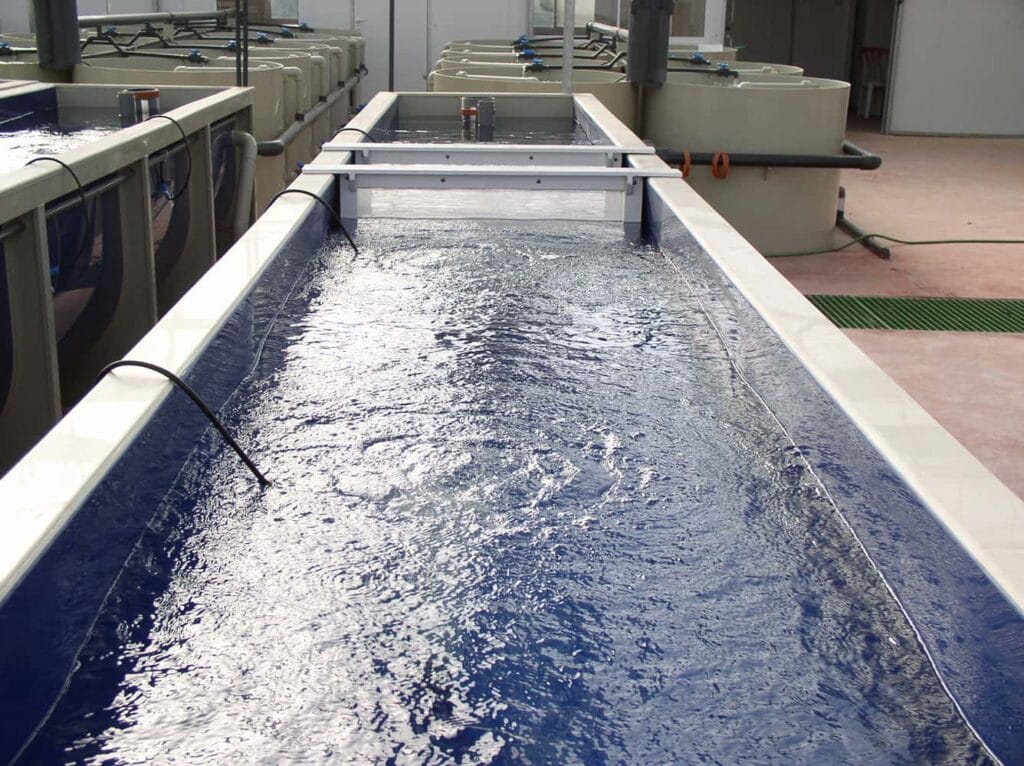
Gel coat is a colored resin sprayed onto the fiberglass pool body during manufacturing, forming the outer layer of the shell. This gel coat layer is relatively thin, yet it decides much of the pool's quality and appearance. Beneath it sit the fiberglass layers that give the pool its structural strength, and over them the gel coat is the face of the pool: the smooth, glossy, colored surface that meets the water and the swimmers.
Unlike a rough surface or a tiled finish with grout lines, gel coat is a continuous, smooth, almost non-porous surface. That is an important point, because nearly all of its advantages follow from it. For us, the gel coat stage is part of our fiberglass swimming pool manufacturing, with quality control along the way.
What does gel coat do, and why is it critical?
Gel coat plays several roles at once, and each one matters:
- Sealing and structural protection - the gel coat is a barrier that protects the fiberglass layers beneath it from water ingress over time.
- Resistance to sun and chemicals - gel coat for fiberglass is formulated to withstand UV, chlorine, and the pool's sanitizers.
- A smooth surface that resists algae - because the surface is almost non-porous, algae and dirt find it hard to grip, which cuts down on cleaning and chemicals.
- Look and feel - the gel coat gives the pool its glossy finish, even color, and the smooth, comfortable surface underfoot.
In other words, gel coat is both the shield and the face of the pool. A pool with a quality gel coat stays sealed, attractive, and easy to maintain for years, which is exactly why it is not a detail to compromise on.
What can happen to gel coat over time?
Two main things affect gel coat over the years: fading from sunlight, and osmosis (blistering). Both are slowed considerably by proper pool care, but they are worth understanding.
Fading. Prolonged exposure to the sun can cause slight fading and loss of gloss over the years. This is a gradual, cosmetic effect, and it can be slowed significantly with a pool cover when the pool is not in use.
Osmosis and blisters. Gel coat is slightly permeable at a microscopic level. When water balance is off for a long time, water molecules can migrate through the tiny pores and react with the resin beneath, forming small blisters. It is worth knowing that this usually stays at the surface level and does not harm the pool's structure, but it is a sign to pay closer attention to your water balance.
What both have in common: they are greatly slowed by maintaining the pool correctly. A quality gel coat, together with routine care, is what prevents most of them.
How to keep gel coat in good shape for years
Maintaining gel coat is simple, but it does call for consistency. These are the things that preserve it:
- Regular water balance - keep the pH within the recommended range for a pool (usually 7.2 to 7.6) and a stable sanitizer level. Water that is too acidic, or chlorine that runs too high, can wear at the gel coat over time.
- Gentle cleaning - use brushes and non-abrasive cleaners made for fiberglass, so you do not damage the surface.
- A pool cover - reducing sun exposure when the pool is not in use extends the life of the gel coat and slows fading.
The simple rule: gel coat likes balanced water. Most problems people see in fiberglass pools come not from the material itself, but from neglecting water balance over time.
How do you know a gel coat is high quality?
Not all gel coats are equal, and the difference usually shows only after a few years. Gel coat quality depends on the quality of the resin, the way it is applied, and the manufacturer's quality control. A manufacturer that builds the pool itself controls every stage, from choosing the material to applying it, and can therefore stand behind the surface over time. That is one reason to look at who manufactures the pool, not just the price. You can get a sense of it from our fiberglass work over the years.
Our experience manufacturing fiberglass pools since 1993, under the Amar family, lets us stand behind the quality of the surface over time, not only at the moment of installation.
Gel coat vs tile finish
The two common ways to finish a pool surface are gel coat and tile. They differ in surface structure and in the maintenance each one calls for, and here is how they compare:
| Aspect | Gel coat | Tile finish |
|---|---|---|
| Surface structure | Continuous and smooth, no grout | Tiles with grout lines |
| Algae and dirt grip | Low, fewer places to hold on | Higher, in the grout lines |
| Maintenance | Routine surface cleaning | Additional grout upkeep |
| Feel | Smooth and continuous | Tile and grout texture |
In a fiberglass pool, gel coat is the natural, built-in finish of the surface, so there is no need for any additional cladding.
Gel coat in custom HERA pools
In the fiberglass pools we manufacture under our HERA division, the gel coat is part of a complete approach to quality: a shell cast as a single piece, a smooth surface, and the option to combine elements such as acrylic walls, an overflow channel, and salt chlorination. Alongside fiberglass, there is also the option of polypropylene pools, where the color sits in the body of the material and holds for years even without a gel coat.
The bottom line on gel coat
Gel coat is far more than a finish. It is the sealing, the protection, and the look of a fiberglass pool, and it is one of the things that separate a pool that stays beautiful for years from one that shows its age early. Gel coat quality starts with the manufacturer, and correct water balance is what preserves it over time. If you are considering a fiberglass pool, this is exactly the kind of detail worth asking about. You can start through the HERA page, our pool division.
Frequently asked questions about gel coat in a fiberglass pool
What exactly is gel coat?
Gel coat is a colored, smooth resin layer sprayed onto the fiberglass pool body during manufacturing, forming the surface of the pool. It is the surface you see and touch, and it is also what seals and protects the fiberglass layers underneath.
Why is gel coat important?
It plays several roles: it seals the pool, protects it from sun and chemicals, creates a smooth surface that resists algae, and gives the pool its color and gloss. A quality gel coat is what keeps a pool attractive and easy to maintain for years.
Does gel coat fade over time?
Prolonged sun exposure can cause slight fading and loss of gloss over the years. It is a gradual, cosmetic effect that can be slowed considerably with a pool cover and proper maintenance.
What is osmosis in a fiberglass pool?
Osmosis is the slow migration of water through the microscopic pores of the gel coat, which can form small blisters when water balance is off for a long time. It usually stays at the surface level and does not harm the pool's structure, but it is a sign to keep a closer eye on water balance.
Can a faded gel coat be restored?
Yes. A gel coat surface that has lost its gloss or faded slightly can be polished to bring back its look, and in some cases a fresh gel coat layer can be applied. This is best done by a professional who knows the material, to keep the surface even.
How many years does gel coat last in a fiberglass pool?
A quality gel coat is designed to last many years when the pool is maintained well and water balance is kept in check. The biggest factor in its lifespan is not the material itself, but the consistency of care and protection from prolonged sun exposure.
How do you maintain gel coat?
Mainly through regular water balance (pH and sanitizer), cleaning with non-abrasive brushes and cleaners made for fiberglass, and covering the pool when it is not in use. Gel coat likes balanced water.
Gel coat or tile, which is better?
Gel coat is a continuous, smooth surface without grout, so algae and dirt hold on to it less and the feel is smoother, while a tiled finish calls for additional grout maintenance. In a fiberglass pool, gel coat is the natural, built-in finish of the surface.