



Engineering Aquaculture for the Future
Fish farming has become one of the fastest-growing food production sectors in the world, with rising demand for sustainable and reliable protein sources. As aquaculture expands, the technology supporting it must evolve. At the heart of this industry are the tanks, cages, and platforms that enable efficient, safe, and large-scale fish cultivation.
Plast Hen, an Israeli engineering and manufacturing company, has been at the forefront of thermoplastic innovation since 1993. Leveraging advanced polymers such as Polypropylene (PP) and High-Density Polyethylene (HDPE), combined with structural reinforcements like FRP (Fiberglass Reinforced Plastic), Plast Hen designs and manufactures custom-made solutions that meet the complex demands of aquaculture.
From circular tanks that optimize water flow to floating walkways that ensure safe operations at sea, the company delivers systems engineered for durability, efficiency, and long-term value.
Cylindrical Tanks - The Standard in Modern Aquaculture
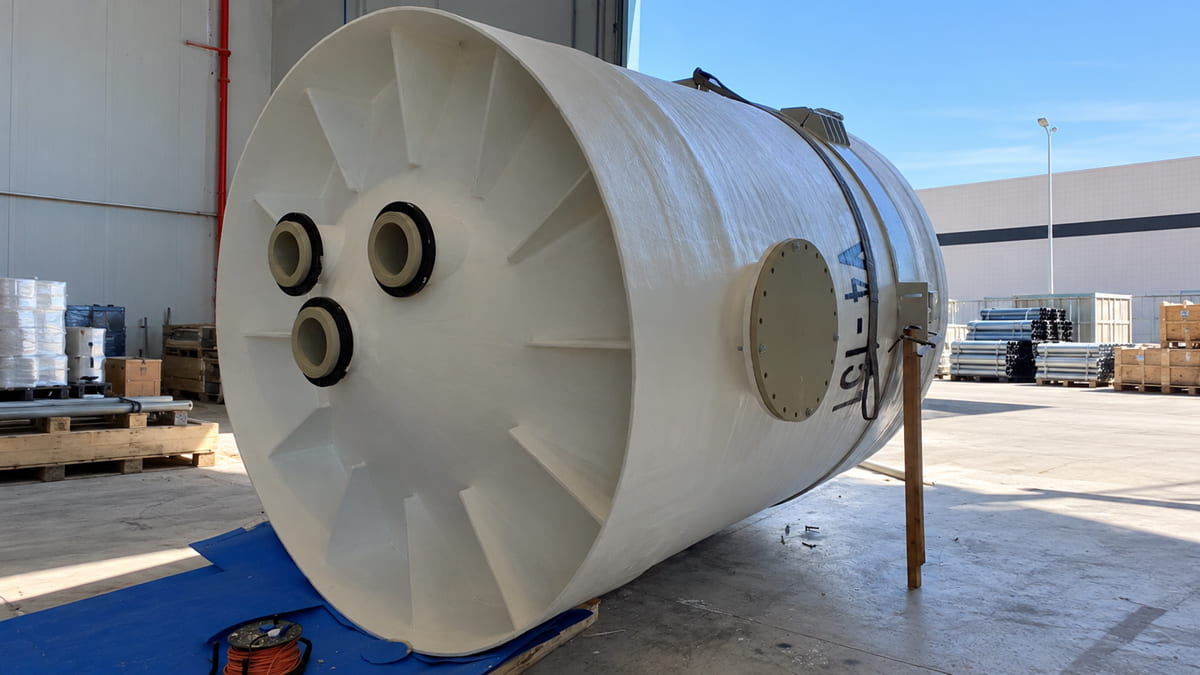
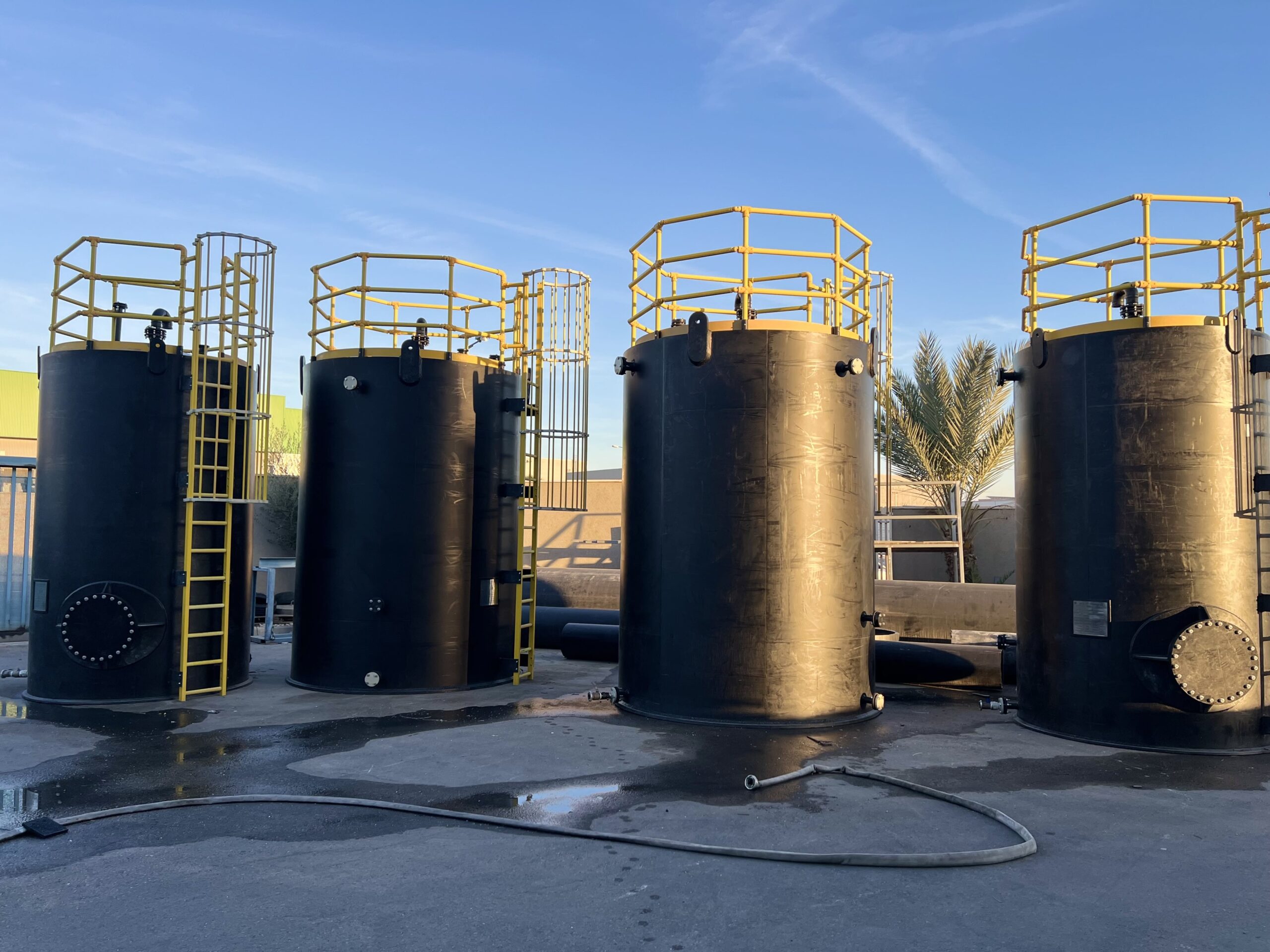
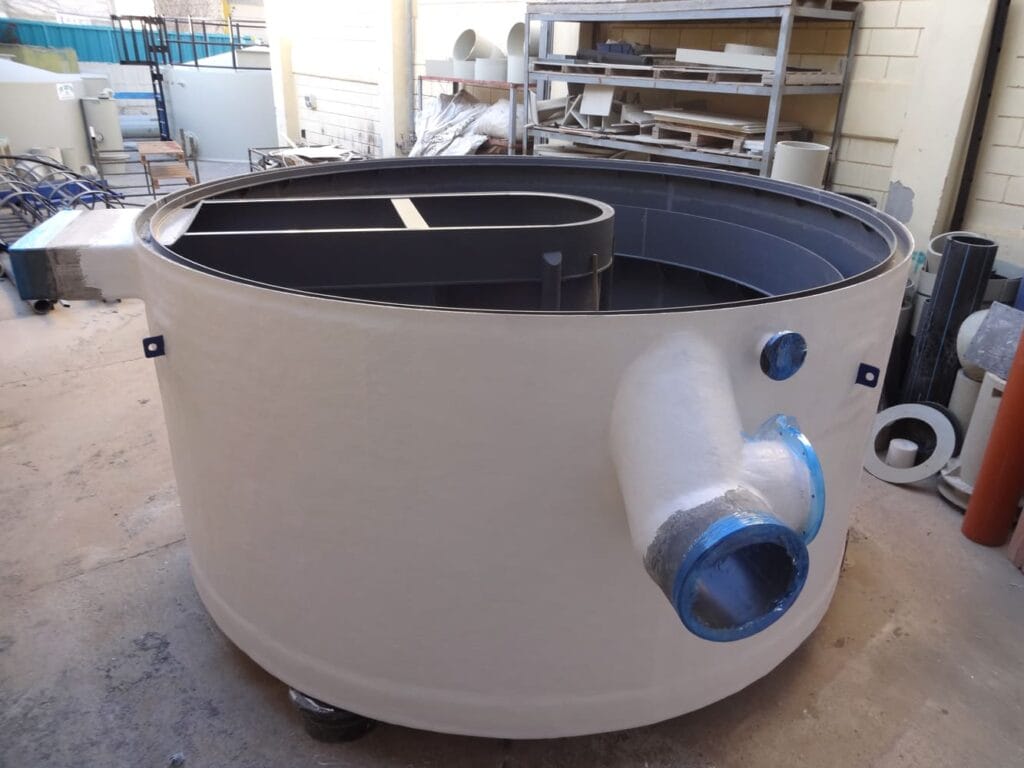
Cylindrical tanks have become the global standard for intensive fish farming. Their geometry allows for uniform water circulation, which is critical for oxygenation, waste removal, and the overall health of fish populations.
Plast Hen manufactures these tanks from PP or HDPE, offering complete UV protection and color customization (blue, beige, or black). The choice of material depends on the operational environment:
- PP is ideal for chemical resistance and thermal stability.
- HDPE provides superior mechanical strength and impact resistance.
Clients can select flat bottoms for easy cleaning or conical bottoms for fast drainage and removal of sediments.
Operational Benefits:
- Natural circular water currents promote healthier fish growth.
- Smooth interior walls minimize algae buildup and reduce cleaning downtime.
- Cylindrical geometry maximizes volume-to-footprint ratio, saving space.
These tanks are used in commercial fish farms, research institutes, and intensive aquaculture systems, proving their versatility across the industry.
U-Shaped Tanks - Controlled Environments for Specialized Farming
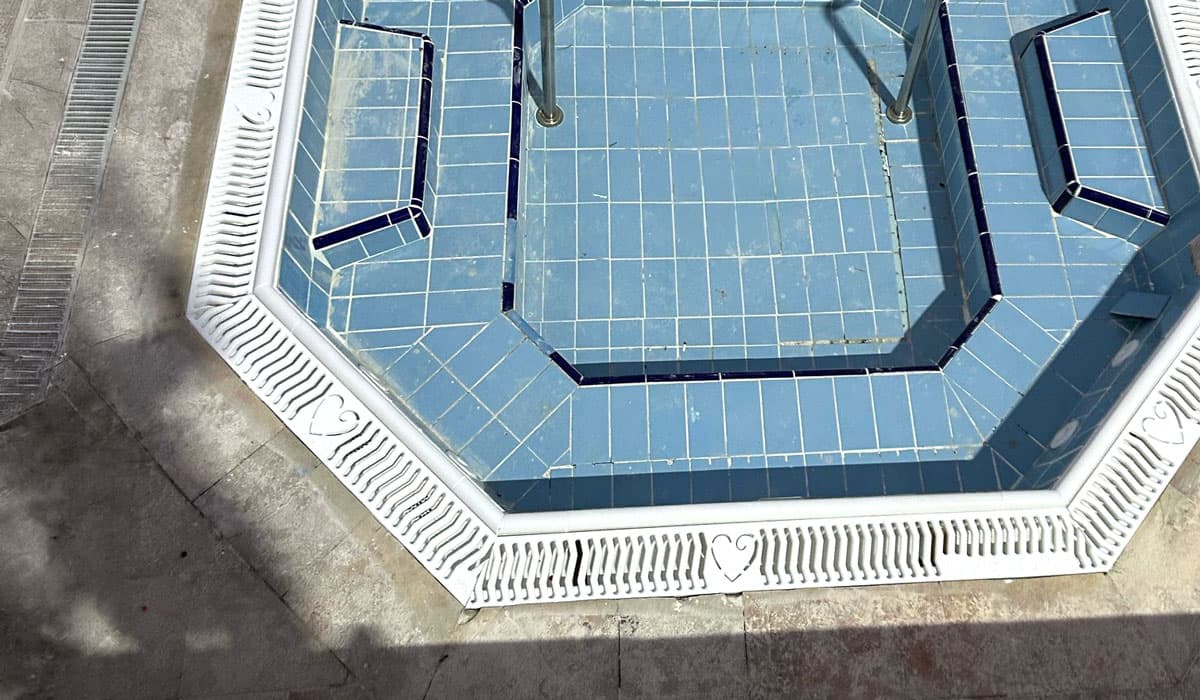
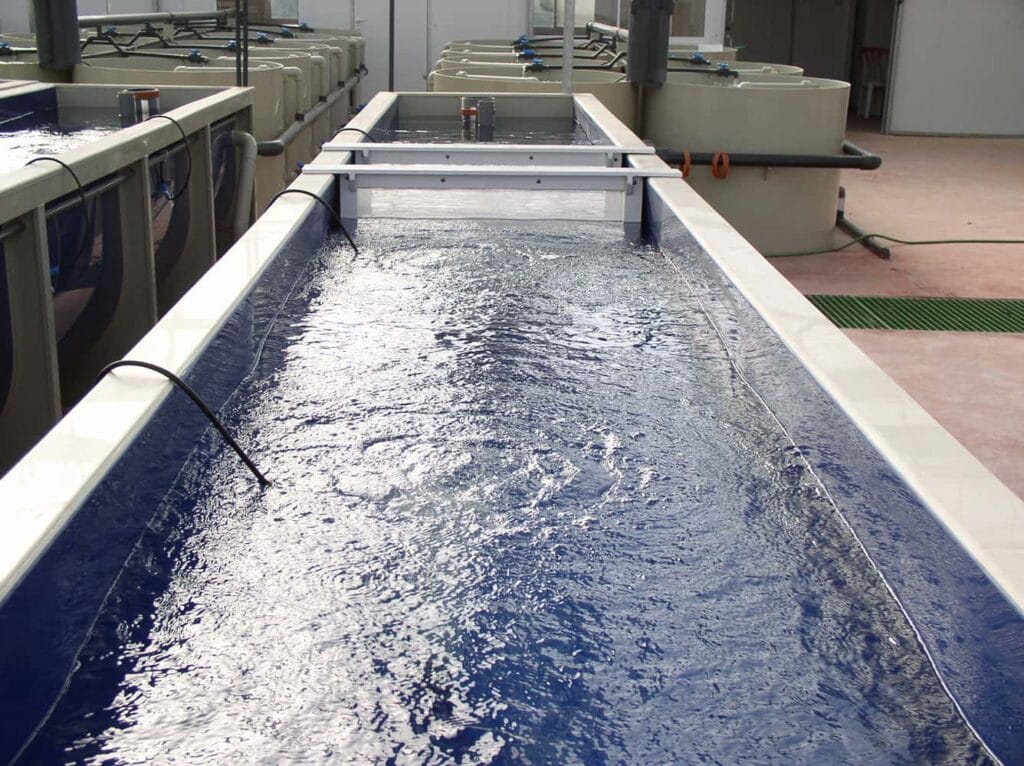
U-shaped tanks serve specific applications such as ornamental fish cultivation or research-driven aquaculture, where flow regulation and separation are required.
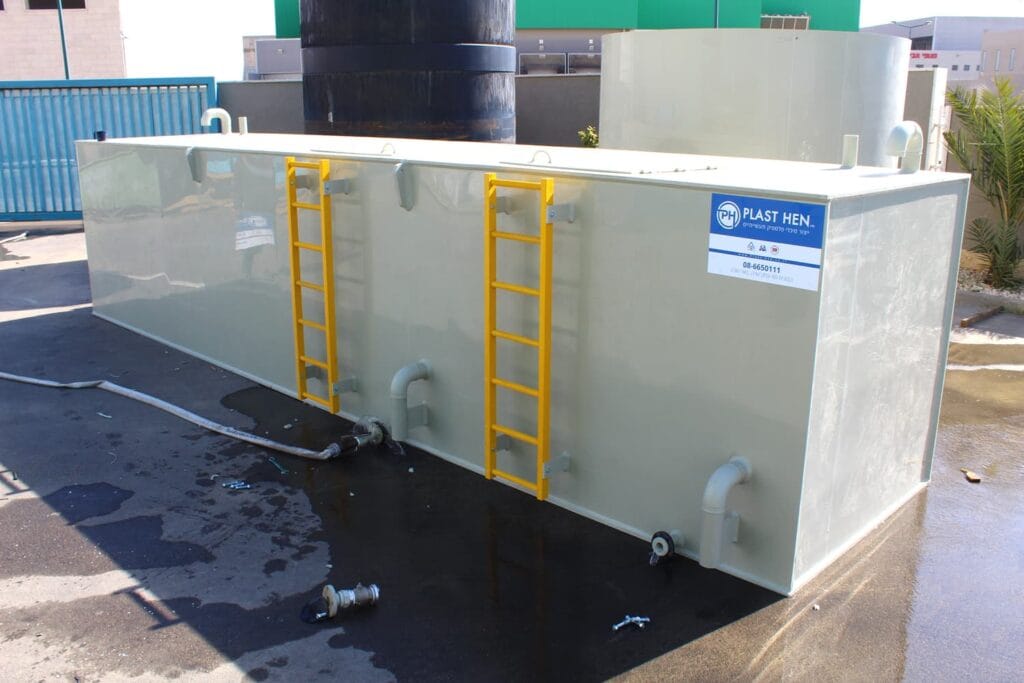
Plast Hen manufactures U-shaped tanks from PP or HDPE, ensuring corrosion resistance and structural rigidity. Internal partitioning systems can be added, using polymer frames combined with chemical-resistant mesh. These partitions allow operators to separate fish populations by growth stage or species, and to regulate water flow in different sections.
The absence of metallic elements ensures no risk of corrosion, making these tanks particularly suitable for saltwater or chemically treated environments.
Open-Sea Fish Cages - Durability Meets Flexibility
For large-scale, offshore aquaculture projects, Plast Hen designs and manufactures HDPE fish cages built to withstand the most demanding marine environments.
These cages are exposed to strong currents, salinity, UV radiation, and biofouling risks, yet HDPE provides outstanding resilience. Plast Hen’s cages integrate:
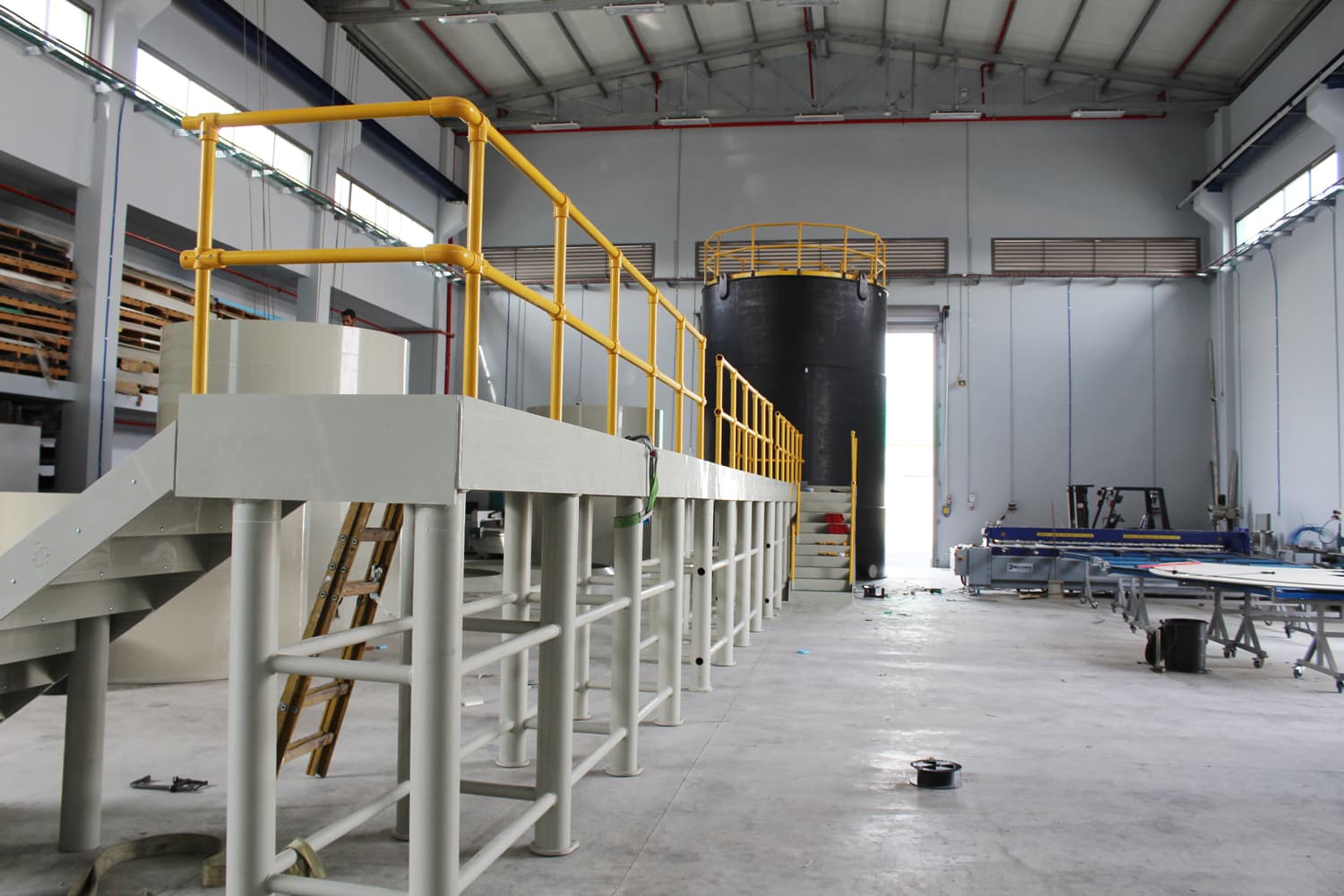
- Modular platforms with service railings and safety fences.
- Customized buoyancy systems designed to handle fluctuating water conditions.
- Adaptability to different species and farming strategies.
By combining robust construction with minimal maintenance requirements, these cages provide a cost-effective solution for companies operating in deep-sea or coastal aquaculture.
Floating Walkways - Safe Access in Marine Farming
Efficient and safe access to aquaculture facilities is a major challenge. Plast Hen addresses this with floating walkways designed for stability, durability, and modular flexibility.
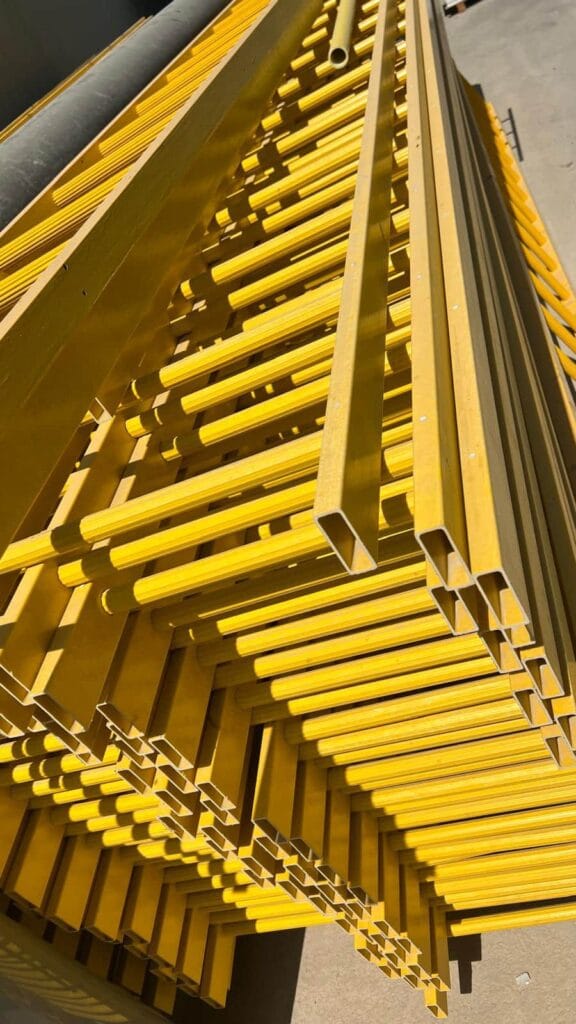
Made from HDPE combined with FRP for reinforcement, the walkways offer:
- Non-slip surfaces with safety grids.
- Customizable modules for different layouts and farm sizes.
- Resistance to saltwater corrosion and UV degradation.
- Integration with ladders, handrails, and technical equipment mounts.
These walkways are essential for daily operations, providing farmers with secure access to cages and tanks even under challenging sea conditions.
Advanced Manufacturing Technologies
Plast Hen’s success lies in its engineering expertise and cutting-edge production technologies:
- Extrusion Welding and Heat Welding: Ensure watertight seams that are as strong as the base material.
- 3D Modeling and Simulation: Allow precise customization and accurate flow predictions.
- Layered Reinforcement with FRP: Extends structural integrity for high-pressure applications.
- Computerized Quality Control: Every product undergoes rigorous testing to meet international standards.
This commitment to advanced manufacturing ensures that each tank or cage is not only durable but also optimized for the specific environmental and operational demands of the client.
Material Excellence - Why PP and HDPE Lead the Industry
Both PP and HDPE are thermoplastics with unique advantages:
- PP (Polypropylene): High chemical resistance, thermal stability up to 90°C, and lightweight design.
- HDPE (High-Density Polyethylene): Superior impact resistance, UV protection, and long-term weather durability.
When reinforced with FRP, tanks gain additional strength, enabling them to handle higher pressures and larger volumes. The choice of material depends on whether the project requires chemical resilience, thermal performance, or mechanical toughness.
Environmental Responsibility and Compliance
Modern aquaculture must balance profitability with sustainability. Plast Hen contributes to environmental goals by producing systems that:
- Reduce water contamination through advanced drainage and waste management.
- Minimize the use of metallic structures, lowering corrosion-related pollutants.
- Meet international standards such as ISO 9001, ISO 14001, and European EN norms.
By focusing on Best Available Techniques (BAT), Plast Hen ensures its solutions comply with strict regulations while supporting global sustainability efforts.
Case Studies - Innovation in Action
Over the past decade, Plast Hen has completed projects across Israel, Europe, and Africa. Examples include:
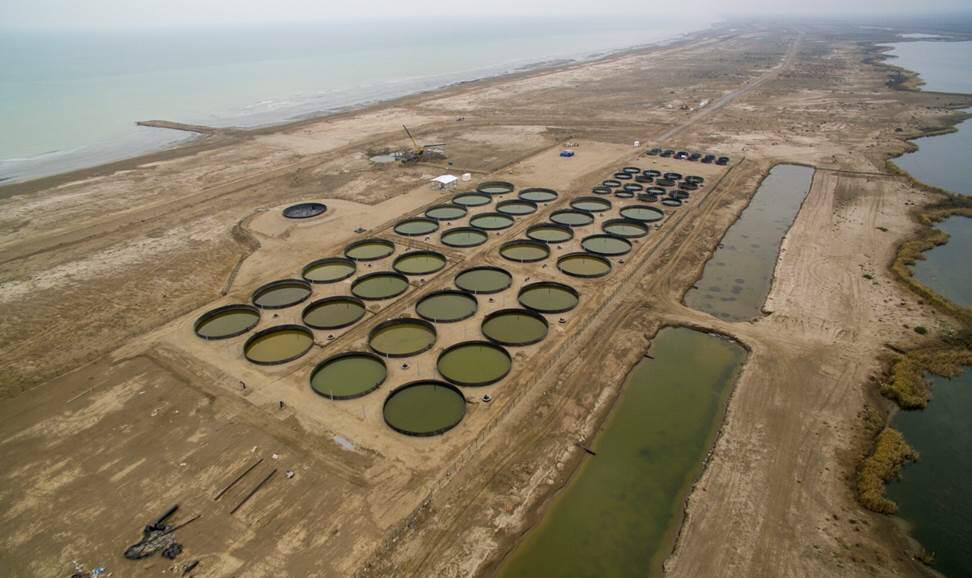
- Fish Farming in Russia: Large cylindrical tanks with advanced filtration systems for nitrate management.
- Tilapia Ponds in Africa: Oxygen-enrichment systems that increased fish growth rates by over 30%.
- Collaboration with Israeli Water Tech Firms: Developing specialized tanks for wastewater treatment in livestock farms, reducing environmental hazards.
These projects demonstrate not only engineering excellence but also the company’s ability to adapt to diverse environments and client needs.
Lifecycle Cost Analysis (LCC) - Long-Term Value
At first glance, advanced aquaculture tanks and cages may appear costlier than conventional systems. However, a lifecycle analysis reveals clear advantages:
- Longer operational life - often exceeding 20 years.
- Reduced downtime due to low maintenance needs.
- Energy efficiency in water circulation and oxygenation.
- Compliance with regulations, avoiding fines or costly retrofits.
This makes Plast Hen’s solutions an investment in both economic efficiency and sustainable growth.
The Plast Hen Advantage - More than Manufacturing
Plast Hen is not just a supplier. It is a partner in aquaculture innovation, offering:
- Full project consultation and planning.
- Custom design for tanks, cages, and walkways.
- End-to-end services from design to installation.
- Continuous technical support and maintenance.
With decades of experience and a reputation for reliability, Plast Hen has become a trusted name in international aquaculture projects.
Engineering the Future of Fish Farming
The future of aquaculture depends on technology that ensures sustainability, efficiency, and resilience. Plast Hen’s cylindrical tanks, U-shaped tanks, open-sea cages, and floating walkways embody these principles.
By combining cutting-edge materials, advanced manufacturing, and deep engineering expertise, Plast Hen enables fish farmers worldwide to meet growing demand while safeguarding the environment.
For industries looking to achieve long-term success in aquaculture, Plast Hen delivers solutions that merge innovation with reliability - setting new standards in the global fish farming sector.
Frequently Asked Questions
Are cylindrical tanks better than rectangular ones for fish farming?
Yes. Cylindrical tanks allow natural circular water currents, which improve oxygen distribution, help remove waste, and reduce stress on the fish. Rectangular tanks often require more complex pumping and filtration to achieve the same results, making cylindrical tanks more efficient and cost-effective in the long run.
What materials are most suitable for aquaculture tanks?
Polypropylene (PP) and High-Density Polyethylene (HDPE) are the most reliable materials. PP offers excellent chemical resistance and thermal stability, making it suitable for controlled environments. HDPE provides superior mechanical strength and impact resistance, ideal for outdoor or open-sea applications. When combined with FRP reinforcement, these tanks achieve even higher structural integrity for large-scale operations.
How long do Plast Hen aquaculture tanks last?
With proper maintenance, Plast Hen tanks can last more than 20 years. Both PP and HDPE resist corrosion, UV degradation, and mechanical wear. Their smooth inner surfaces prevent buildup of algae and sediments, which reduces cleaning needs and extends service life compared to concrete or metallic alternatives.
Can fish tanks and cages be customized for specific projects?
Absolutely. Plast Hen specializes in custom design and engineering. Clients can choose dimensions, shapes, drainage options (flat or conical bottoms), colors, and integrated systems such as aeration, piping, or automatic cleaning units. Even floating walkways and sea cages are modular, allowing them to be adapted to unique site conditions and species requirements.
Are Plast Hen’s products environmentally friendly?
Yes. Plast Hen designs aquaculture systems in compliance with international environmental standards such as ISO 14001 and European EN norms. The materials used are recyclable and engineered to minimize chemical leaching. Additionally, advanced drainage and filtration systems reduce pollution, supporting sustainable aquaculture practices and regulatory compliance.
What kind of support does Plast Hen provide beyond manufacturing?
Plast Hen delivers full-service support - from initial consultation and design, through manufacturing, installation, and after-sales service. The company’s engineering team works closely with clients to ensure tanks, cages, and walkways perform optimally in real conditions. Technical training, maintenance guidance, and long-term service agreements are also available.