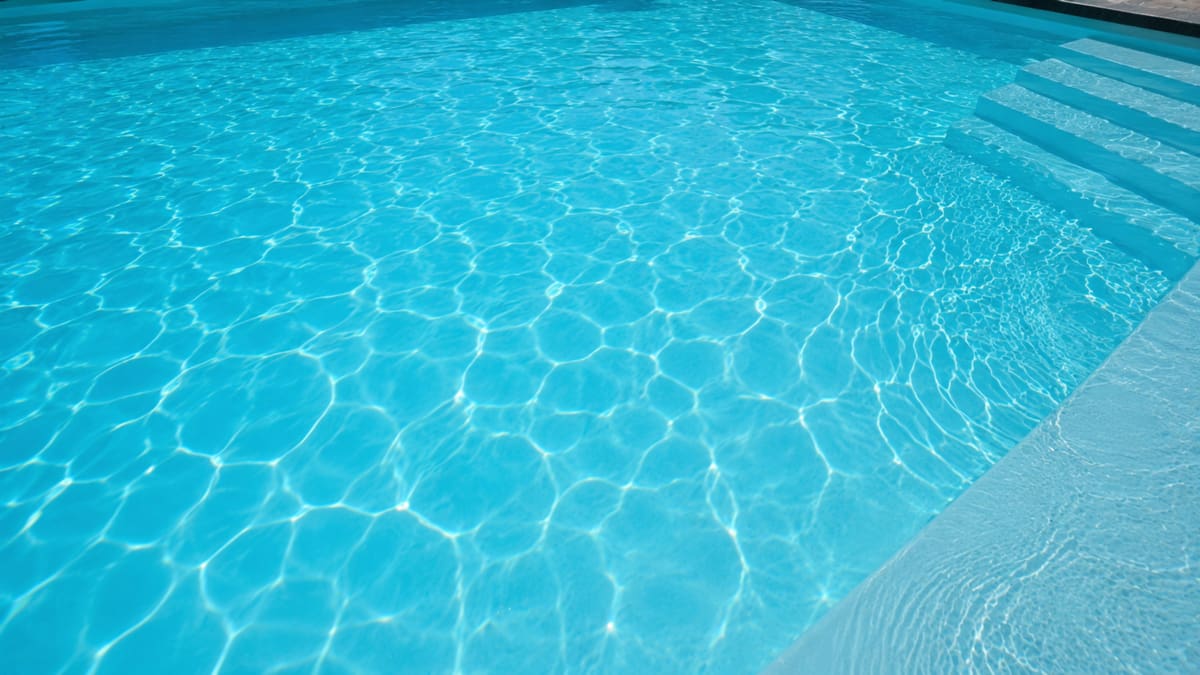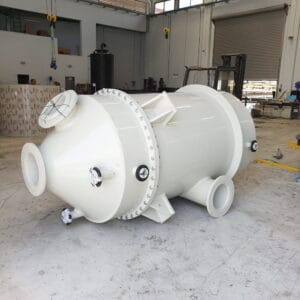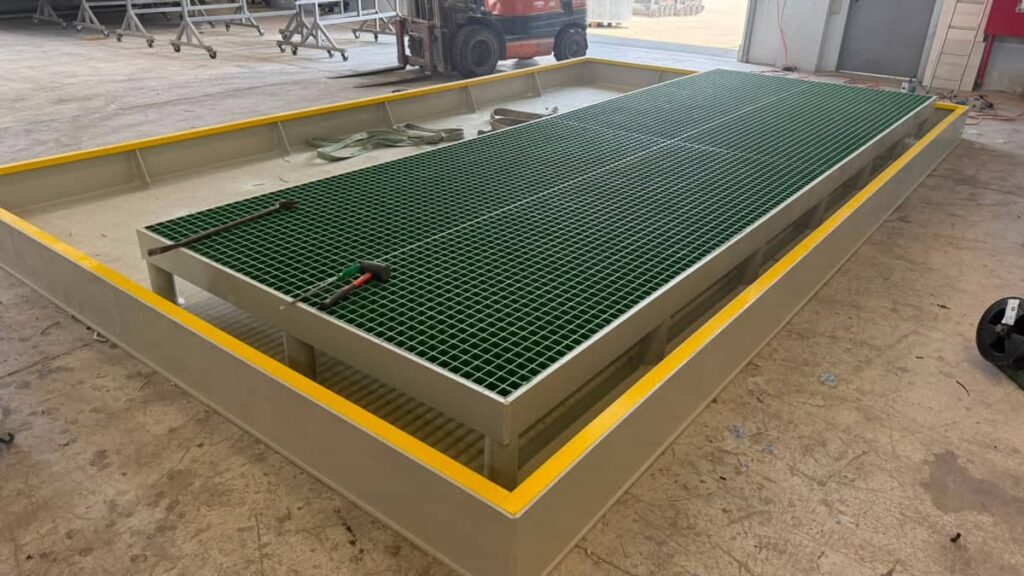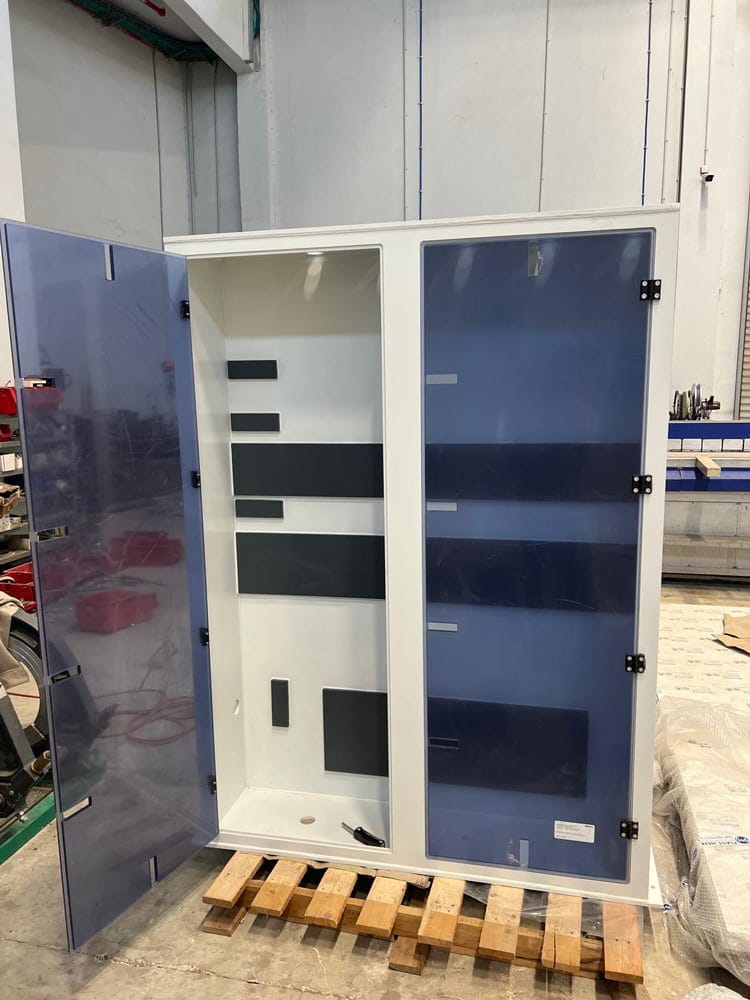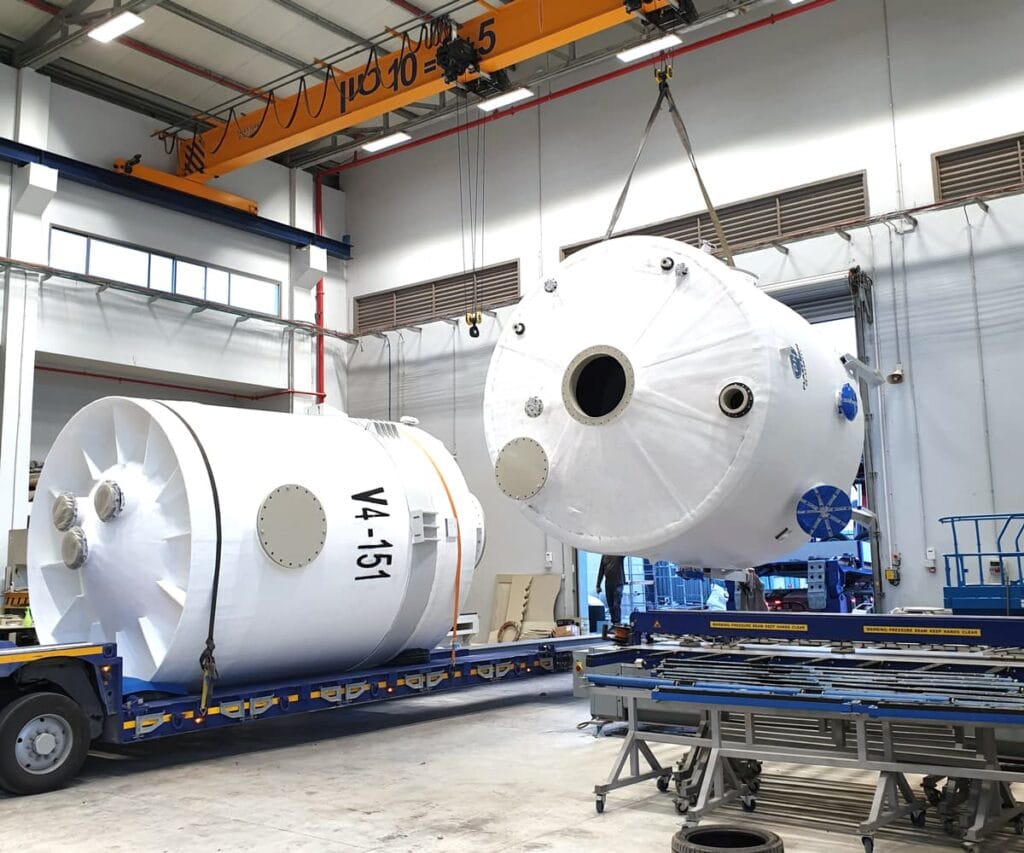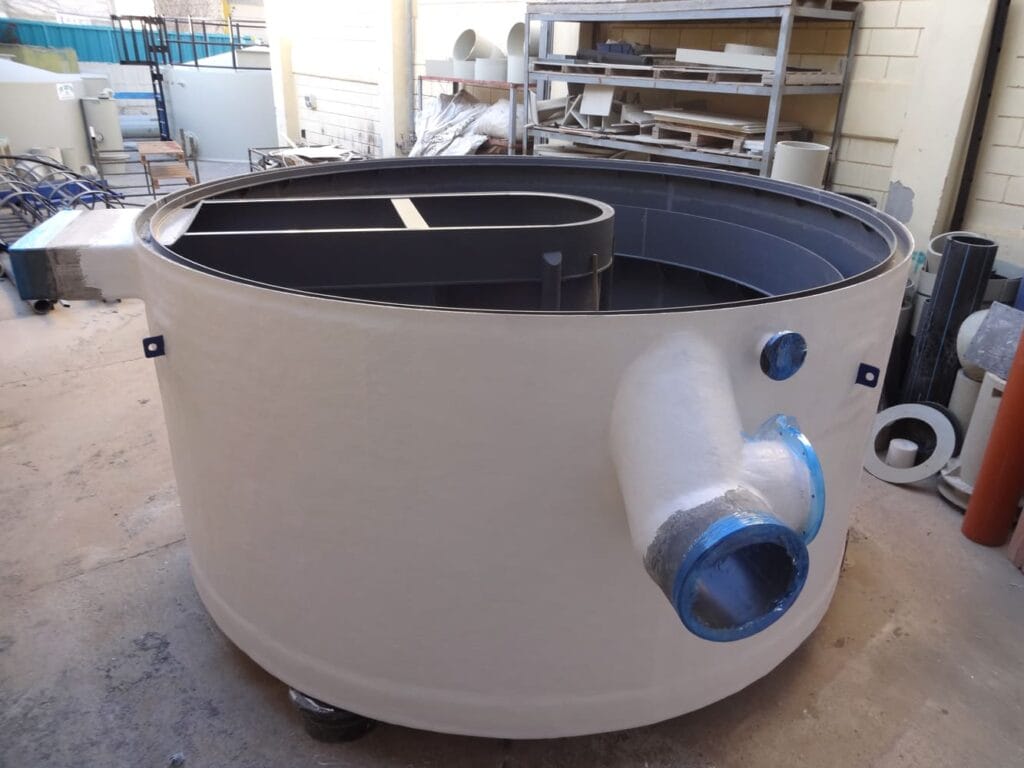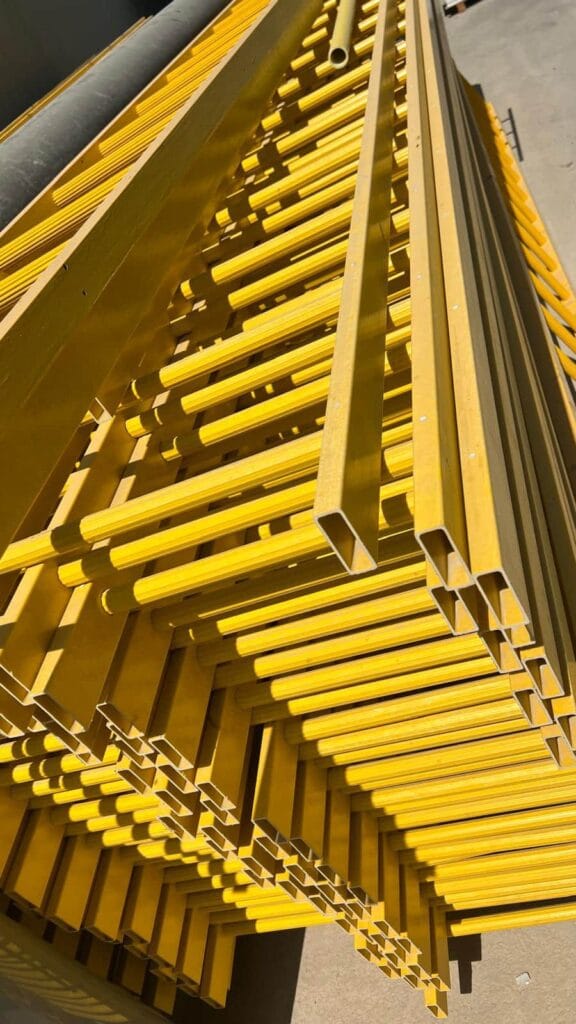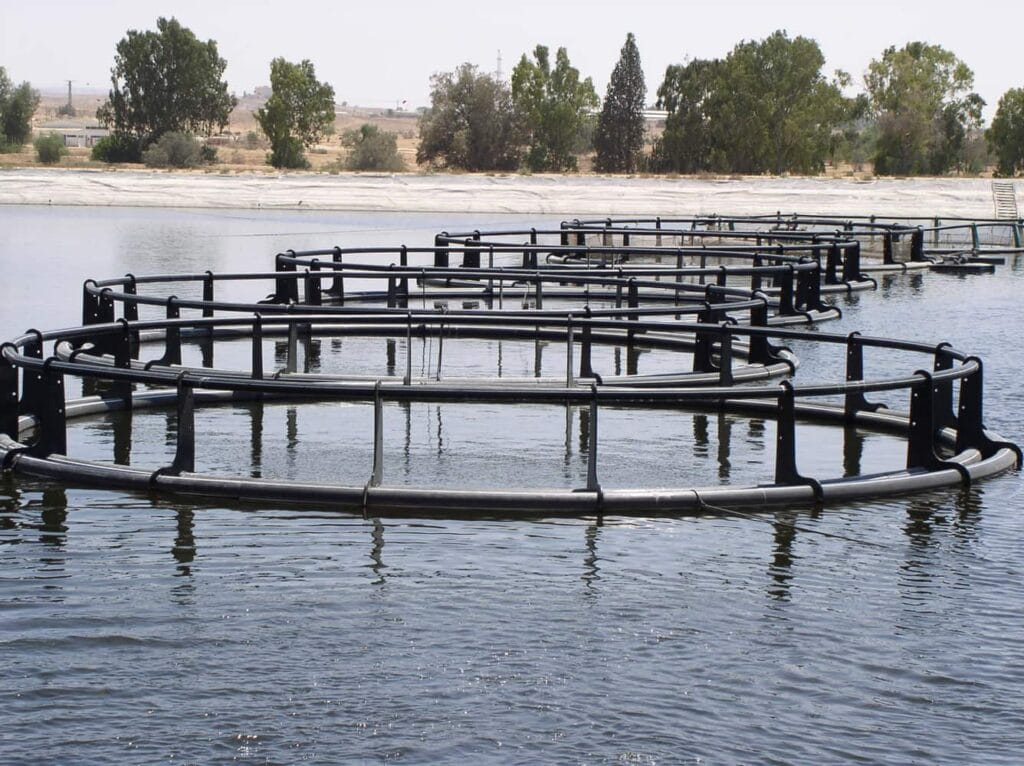


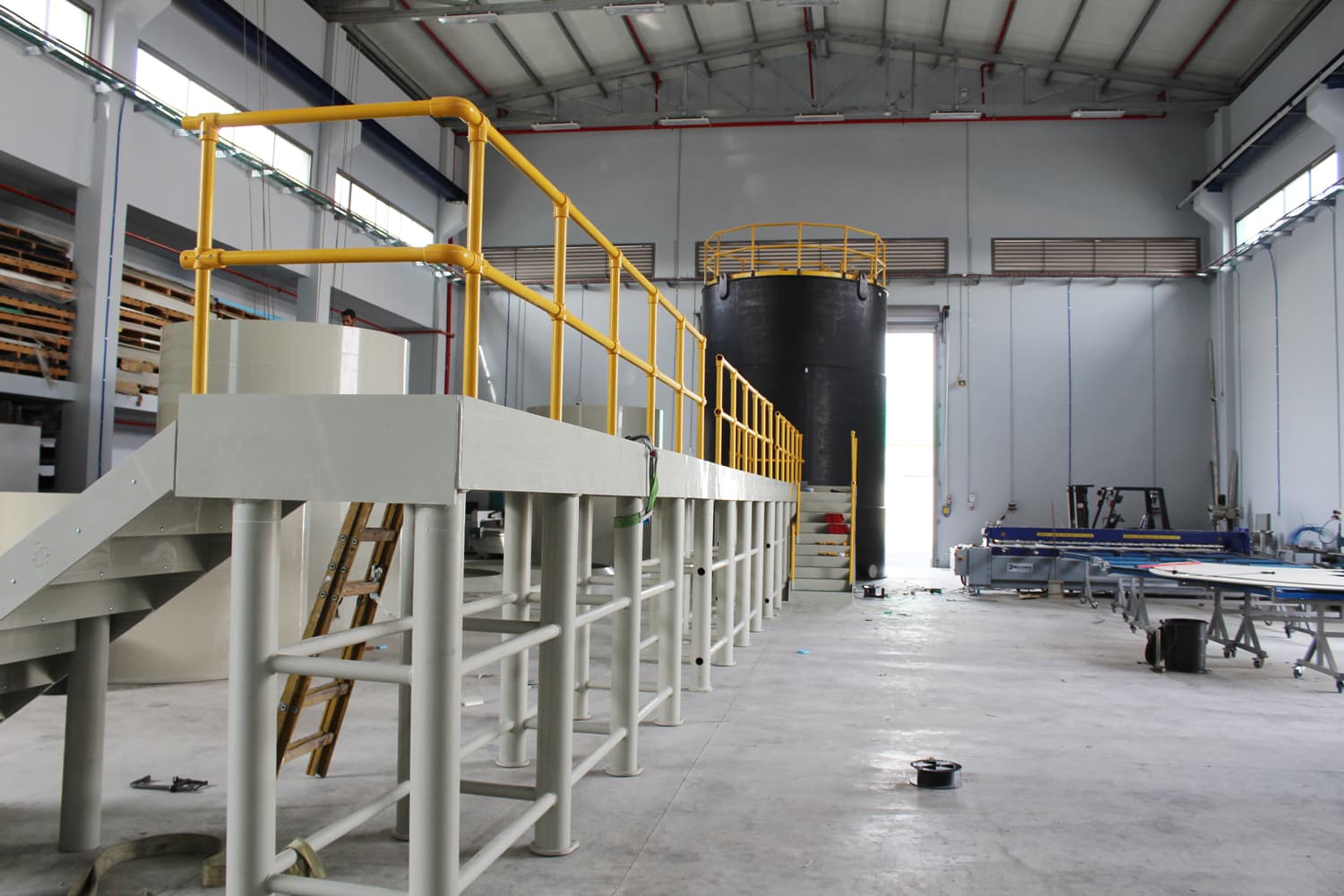


The structure of glass fibers and resin gives the pool high mechanical strength together with low weight and excellent water tightness, and the same engineering expertise we use in industrial tanks and complex systems goes into our pools as well. In this article we walk through the material, the manufacturing process step by step, the differences between the materials, the timeline, maintenance, costs, and what is worth checking before you order.
What is fiberglass, and why does it suit swimming pools?
Fiberglass (FRP) is a lightweight yet very strong material that does not rust or break down even under tough conditions of sun, chlorine, and salt exposure. Thanks to its properties, it is considered one of the most suitable materials for manufacturing swimming pools. Its multi-layer structure provides high water tightness and greatly reduces the risk of water ingress or leakage, and its low weight makes manufacturing, transport, and installation relatively simple.
Its chemical resistance protects against chlorine, salts, and sanitizing chemicals, so the pool keeps its look and function for years. Beyond that, fiberglass offers design flexibility that allows pools in a range of shapes, sizes, and finishes, and it is also an electrical insulator, a meaningful safety advantage. The same material principle stands behind the FRP fiberglass tanks we manufacture for industry.
How is a fiberglass pool manufactured?
The manufacturing process at a professional fiberglass facility runs through clear, controlled stages, each with its own quality check:
- Engineering and design - defining the needs, choosing the shape, depth, and size, and matching the budget.
- Mold preparation - custom molds that allow pools in a variety of shapes: round, oval, rectangular, and more.
- Fiberglass layers - laying the glass fibers and resins in continuous layers to form the pool body as a single unit.
- Gel coat and finish - a smooth, water-repellent coating layer that ensures resistance to UV and chemicals, and is also what makes it hard for algae to take hold.
- Quality control - tightness, strength, and dimensional checks against standards, within our ISO 9001 quality management system.
- Transport and on-site installation - the pool is manufactured as one unit, delivered to the site, set in place with a crane or dedicated lifting equipment, and connected to the filtration systems and infrastructure.
You can get a sense of our fiberglass work over the years.
What are the advantages of a fiberglass swimming pool?
- Speed of manufacturing and installation - compared with concrete pools, the build is significantly shorter: weeks rather than months.
- Reduced maintenance - the pool surface is smooth and limits the buildup of algae and dirt, so it needs less cleaning and fewer chemicals.
- Long service life - a quality fiberglass pool holds its properties for about 25 to 30 years and more.
- Custom design - the option to shape steps, benches, levels, colors, and additional features.
- Cost savings - manufacturing and installation costs are relatively low compared with concrete, and ongoing maintenance costs are lower too.
And to be fair, there is one limitation worth knowing: because the pool is manufactured as a complete unit, its size and shape are limited to what can be transported and set in place. For unusual shapes and dimensions, concrete still offers more freedom. We are not against concrete, there are projects where it is the right choice.
Which material to choose: fiberglass, polypropylene, or concrete?
The three common materials for swimming pools differ in build method, speed, maintenance, and design freedom. Fiberglass and polypropylene are both manufactured at the factory and arrive ready, while concrete is built entirely on site. The table sums up the practical differences:
| Aspect | Fiberglass (FRP) | Polypropylene (PP) | Concrete |
|---|---|---|---|
| Build method | Cast as one unit at the factory | Welded panels into a full structure | Built step by step on site |
| Installation time | 1 to 3 days for the shell, 3 to 6 weeks for the project | Fast, similar to fiberglass | Two to six months |
| Finish and color | Smooth gel coat, cladding optional | Color in the material, holds without tiles | Requires plaster or cladding |
| Maintenance | Reduced, smooth surface | Reduced, smooth surface | More intensive |
| Design freedom | High when custom, limited by transport | High and flexible, welded to size | Full, any shape and size |
| Service life | About 25 to 30 years | Decades | Decades with proper care |
Polypropylene is considered especially durable, and when it is made for pool use with UV stabilization it keeps its color for years even without tile cladding. You can read more on the polypropylene swimming pools page. The final choice depends on style, budget, and site conditions, and we are glad to help you decide what suits your specific yard.
Who are fiberglass pools right for?
Fiberglass pools serve a wide range of sectors:
- Private - home pools, outdoor or indoor, in the yard, on a roof, or on a balcony (subject to an engineering check).
- Hospitality - hotels, guest houses, and spas.
- Building contractors - integrating pools into new real estate projects.
- Institutions - teaching and rehabilitation pools.
What makes custom HERA fiberglass pools stand out?
Beyond industrial and institutional pools, Plast Hen designs and manufactures custom private pools under the HERA division. Here you can combine elements that turn a pool into an architectural piece: acrylic or glass walls, decorative waterfall walls, a perimeter overflow channel, lighting and audio systems, and salt-based sanitizing. We start every pool from a blank page, and define together with the family not only how it will look but how it will feel.
How long does it take from order to swimming?
The timeline of a fiberglass pool is made up of several stages, and because some of the work happens in parallel at the factory and on site, the total time is far shorter than traditional building:
- Planning and permits - defining, drawing, and matching requirements. This is also where the building permit comes in, and it is worth starting early.
- Factory manufacturing - building the shell as a single unit. The manufacturing time depends on the pool size and the complexity of the features.
- Transport and placement - moving the shell to the site and setting it in place, usually within a few days.
- Site work - excavation, backfill, decking, plumbing, and electrical, typically a few weeks.
A point worth being precise about: when we talk about fast installation, we mainly mean setting the shell, which takes a few days. The full project, up to filling with water, usually takes a few weeks, and that is still significantly faster than months of concrete building. Orderly planning up front is what prevents delays later on.
How much does a fiberglass swimming pool cost?
There is no flat price list for a fiberglass pool, because the cost depends on the size, depth, shape, features, and site conditions. But the logic is easy to follow. The main factors that set the cost:
- Pool dimensions - size, depth, and shape.
- Finishes and elements - steps, benches, and internal cladding.
- Additional equipment - filtration systems, lighting, heating, and decorative extras.
- Transport and installation - especially at sites with difficult access.
What sets fiberglass apart: it is usually more cost effective than concrete, both in the initial build and in ongoing maintenance costs over time.
How do you maintain a fiberglass pool over the years?
One of the big advantages of fiberglass is that maintenance is simpler than a concrete pool, but it still exists. The smooth gel coat surface limits how algae take hold, so it needs less scrubbing and fewer chemicals. Routine maintenance mainly involves three things:
- Water balance - regular checks of pH and sanitizer levels, whether chlorine based or salt based.
- Filtration and cleaning - running the filtration system and basic cleaning of the water surface and the pool surface.
- Seasonal check - preparation before the swimming season and closing at the end of it.
Salt-based sanitizing, popular in family pools, is gentler on skin and eyes than direct chlorine, and it suits the fiberglass surface well. Proper maintenance is what extends the life of the pool well beyond those twenty-five to thirty years.
Do you need a building permit for a pool?
It is worth checking this before choosing a method. A permanent private swimming pool is in most cases considered a structure that requires a building permit under the Planning and Building Law, and this is true whether it is concrete, fiberglass, an industrialized pool, or an above-ground pool. We recommend checking the requirements with your local planning and building committee while still in the planning stage, and making sure the water quality and systems meet Ministry of Health guidelines. An experienced manufacturer will point you to the right requirements.
What to keep in mind before you order
Manufacturing fiberglass swimming pools offers a durable, cost-effective, and modern solution that suits every sector, private, business, and institutional. With careful engineering, quality manufacturing, and consistent quality control, you can enjoy a pool that is attractive, safe, and reliable for many years. At Plast Hen we would be glad to guide you from planning all the way to the water. You can start through the HERA page, our pool division.