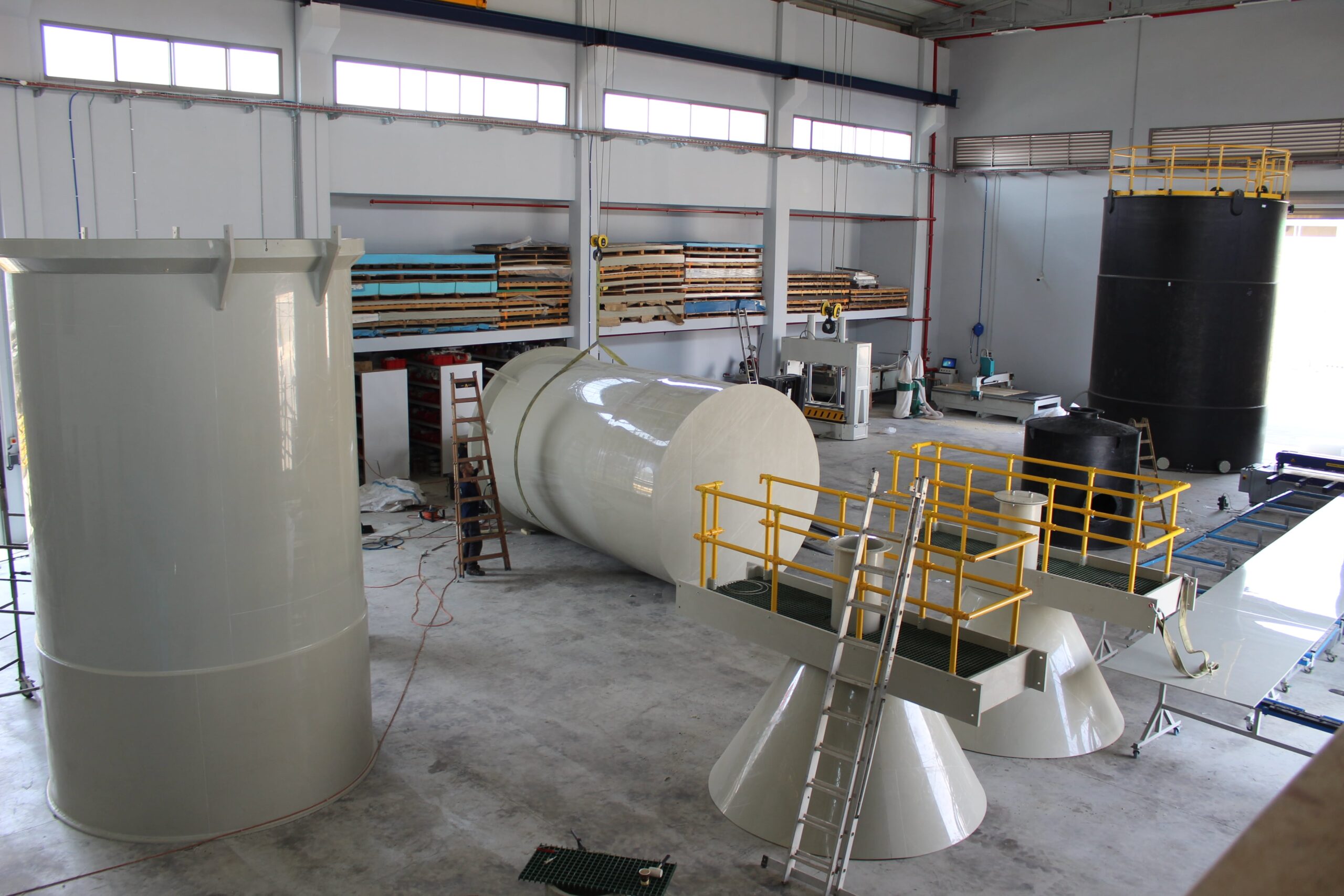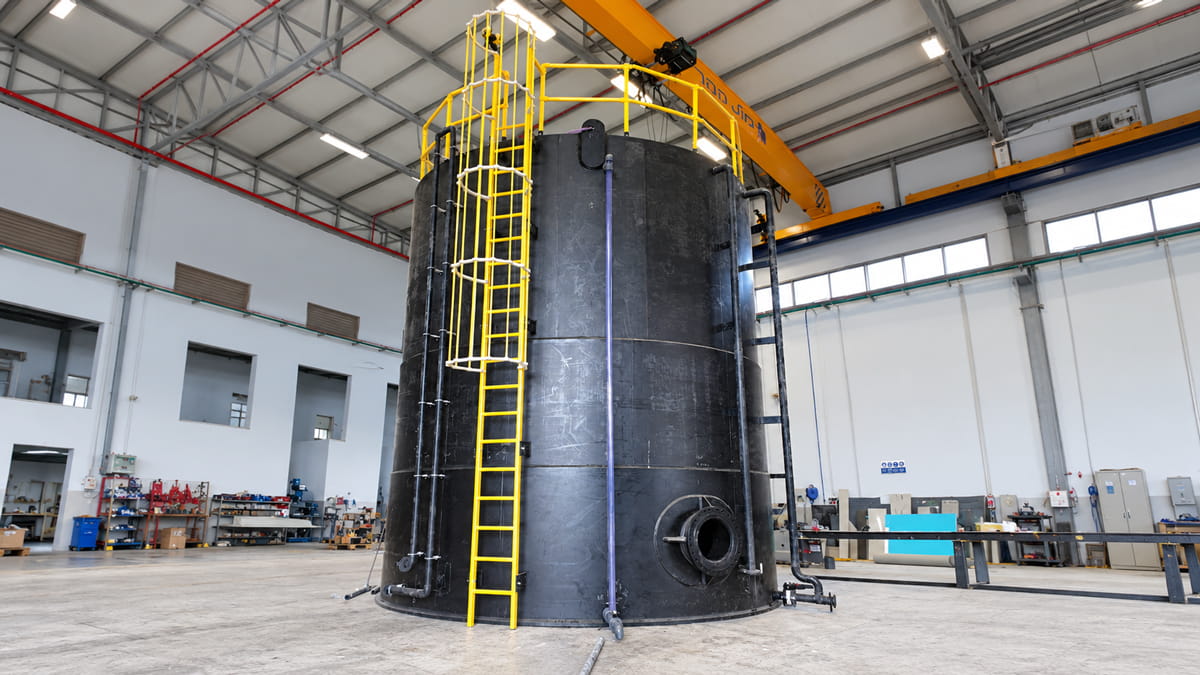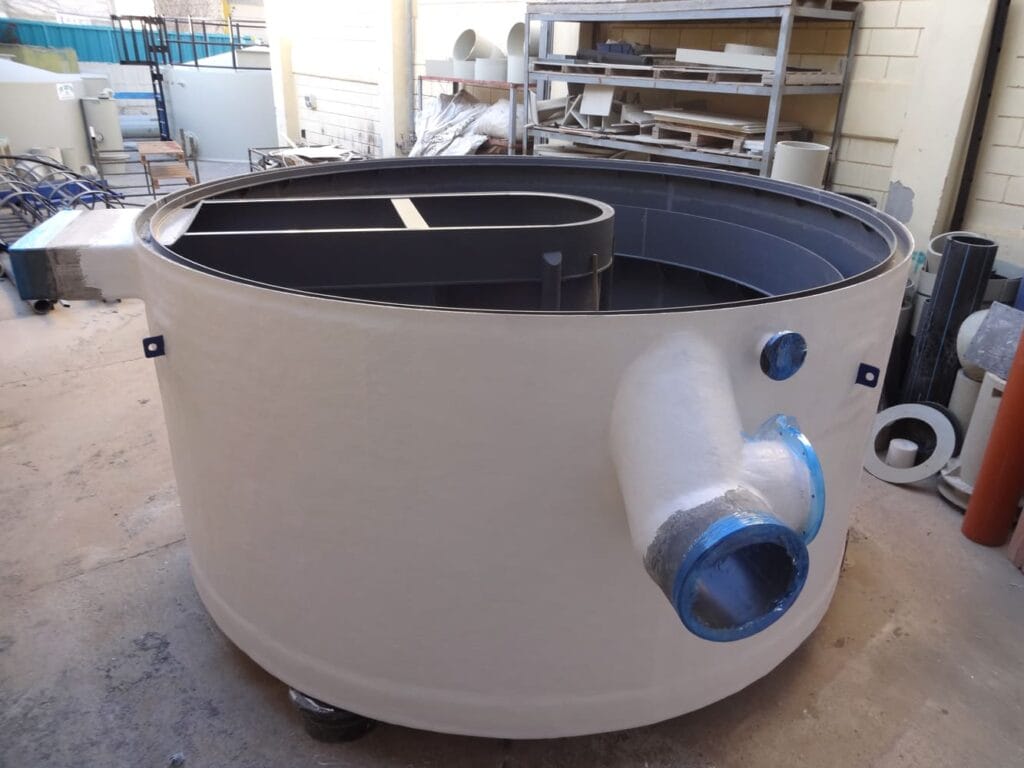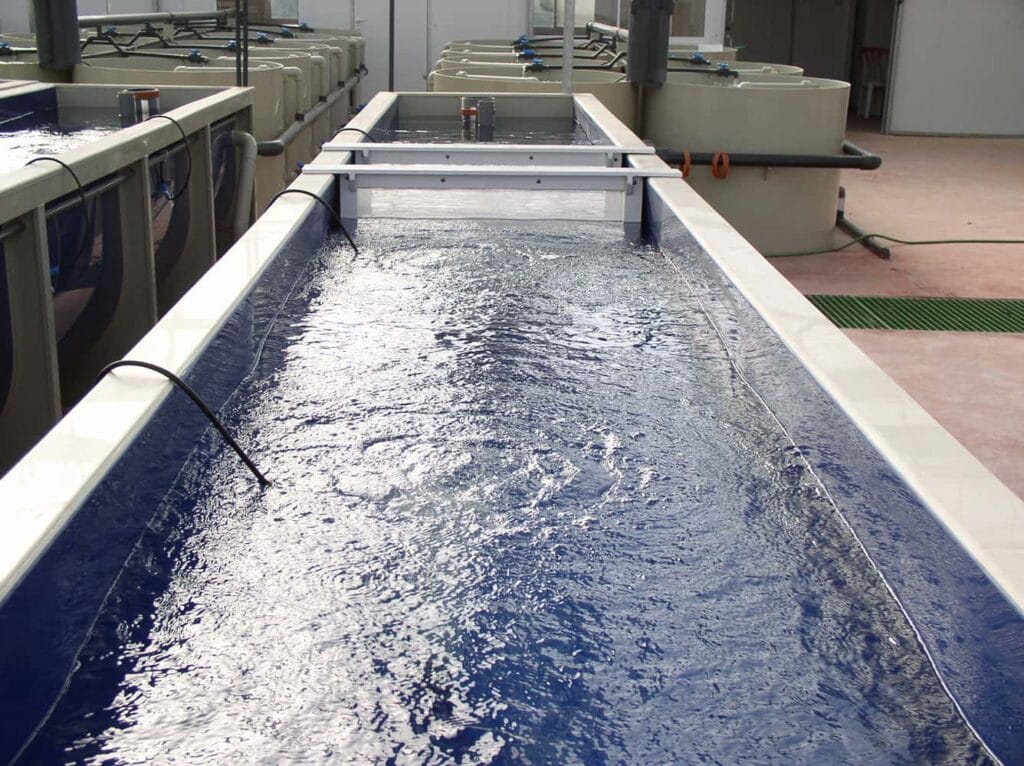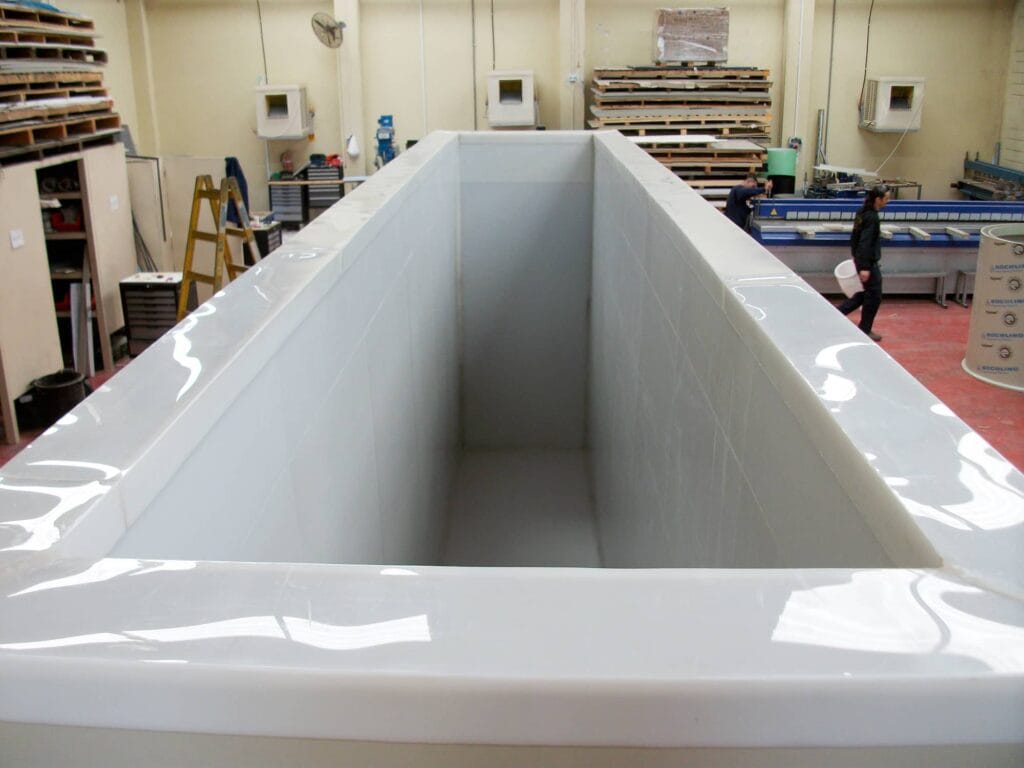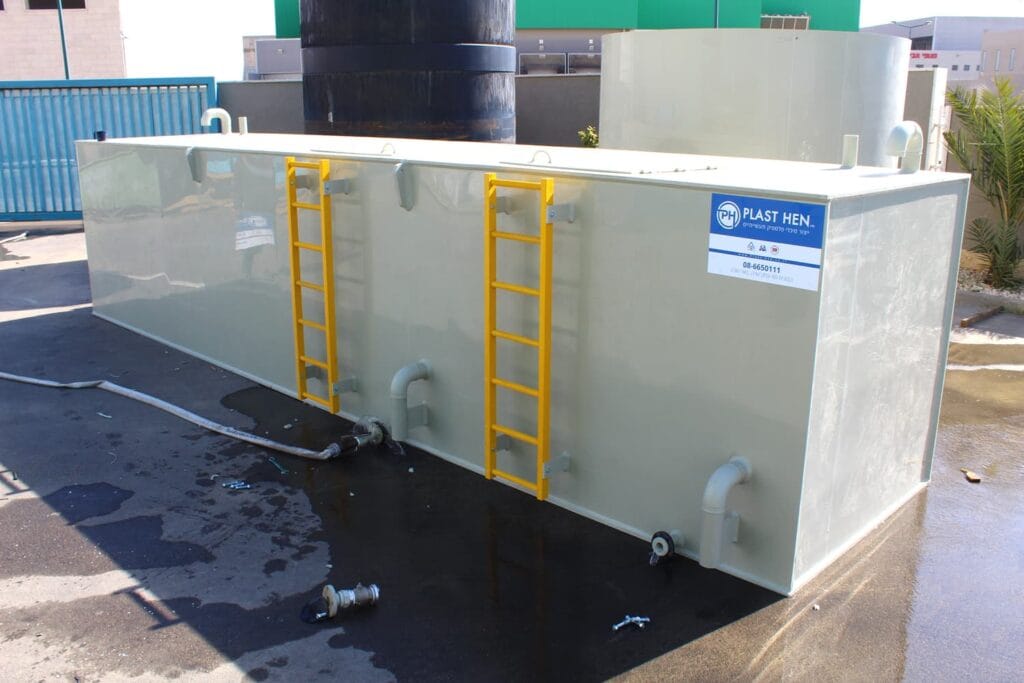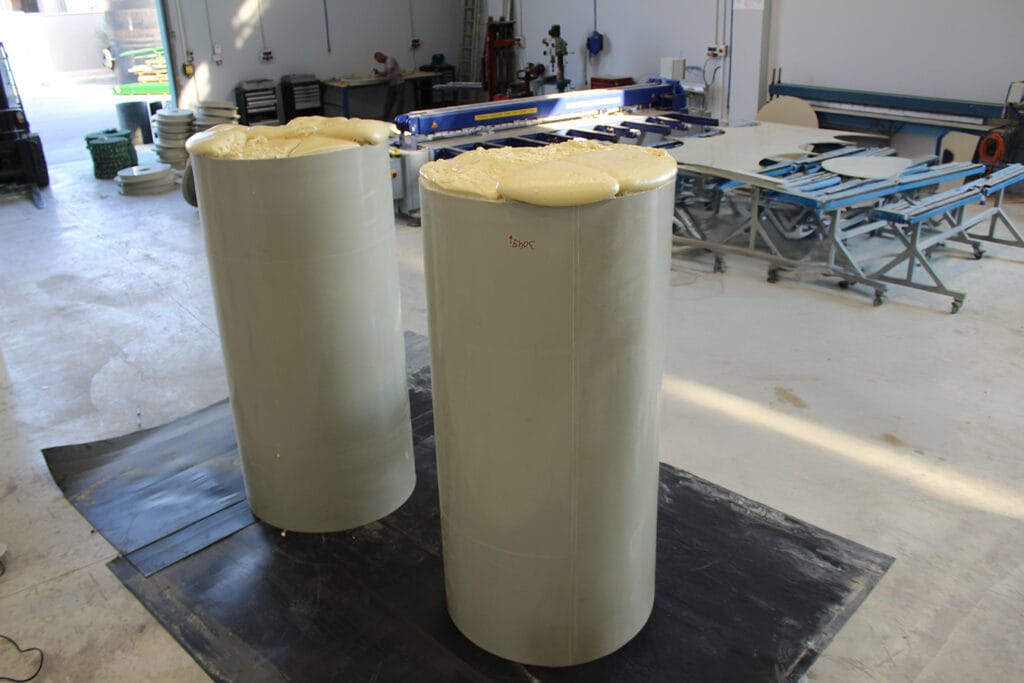





In recent decades, plastic tanks have become a central solution in many fields - from water storage for domestic use, through the food and agriculture industries, to industrial and chemical applications. The clear advantages of plastic tanks, such as high durability, flexibility, and low maintenance costs, have made them especially popular. However, to ensure safe long-term use, strict quality standards are essential, overseeing every stage - from manufacturing to practical application.
Why Are Quality Standards Necessary in Plastic Tanks?
A plastic tank may be exposed to significant loads, varying environmental conditions, and even aggressive chemicals. Without proper quality control, the risk of cracks, leaks, or structural failure increases considerably. Standards are designed to ensure that tanks are safe to use, maintain long service life, and remain reliable even under extreme conditions.
Key International Standards
In this industry, several international regulatory frameworks are commonly referenced. ISO standards cover, among other things, proper company management. The German DVS2205 standards examine the structure, material strength, and service life of the tanks. When it comes to tanks intended for food or water, FDA approval or equivalent certifications are required to ensure that the material does not compromise user safety and health. In Israel, the Standards Institute issues additional guidelines to adapt products to local requirements in agriculture, industry, and domestic applications.
Quality Control in Manufacturing
Serious manufacturers do not rely solely on declarations but conduct routine tests as part of the production process. These include pressure tests to ensure the tank withstands extreme loads, UV resistance tests for tanks intended for outdoor use, and chemical tests to confirm compatibility with various liquids. In addition, mechanical tests are carried out to examine material strength and the ability to absorb shocks or temperature fluctuations.
What Should You Know Before Purchasing?
Before deciding to purchase a plastic tank, several critical points must be considered. First, make sure the tank is suitable for its intended use - whether for water, chemicals, or agricultural applications. It is also important to confirm that the manufacturer provides certification of compliance with recognized standards such as DVS2205. If the tank is intended for outdoor use, ensure it includes UV protection. Beyond that, it is advisable to choose a supplier that offers proper warranty and technical support to guarantee peace of mind for years to come.
Conclusion
Strict quality standards in plastic tanks are not only about meeting regulatory requirements - they are a real guarantee that the tank will serve you reliably, safely, and for the long term. Whether in water systems, the chemical industry, or agriculture, choosing a tank that meets the highest standards is a smart investment that prevents failures, saves money, and ensures smooth, worry-free use.