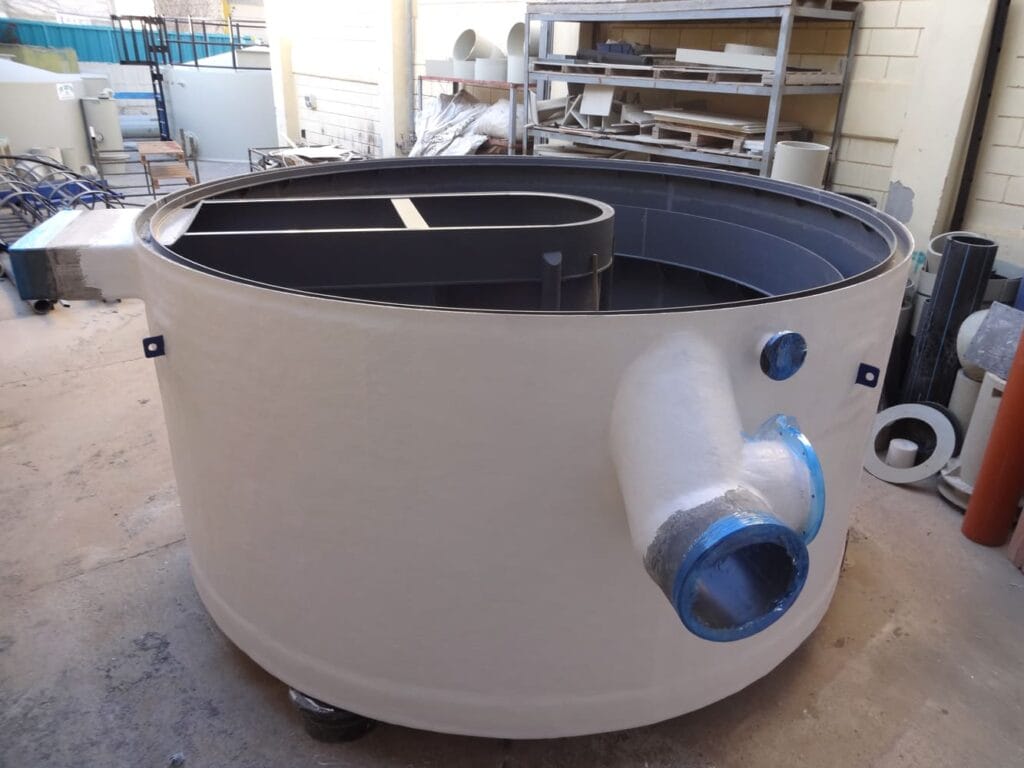


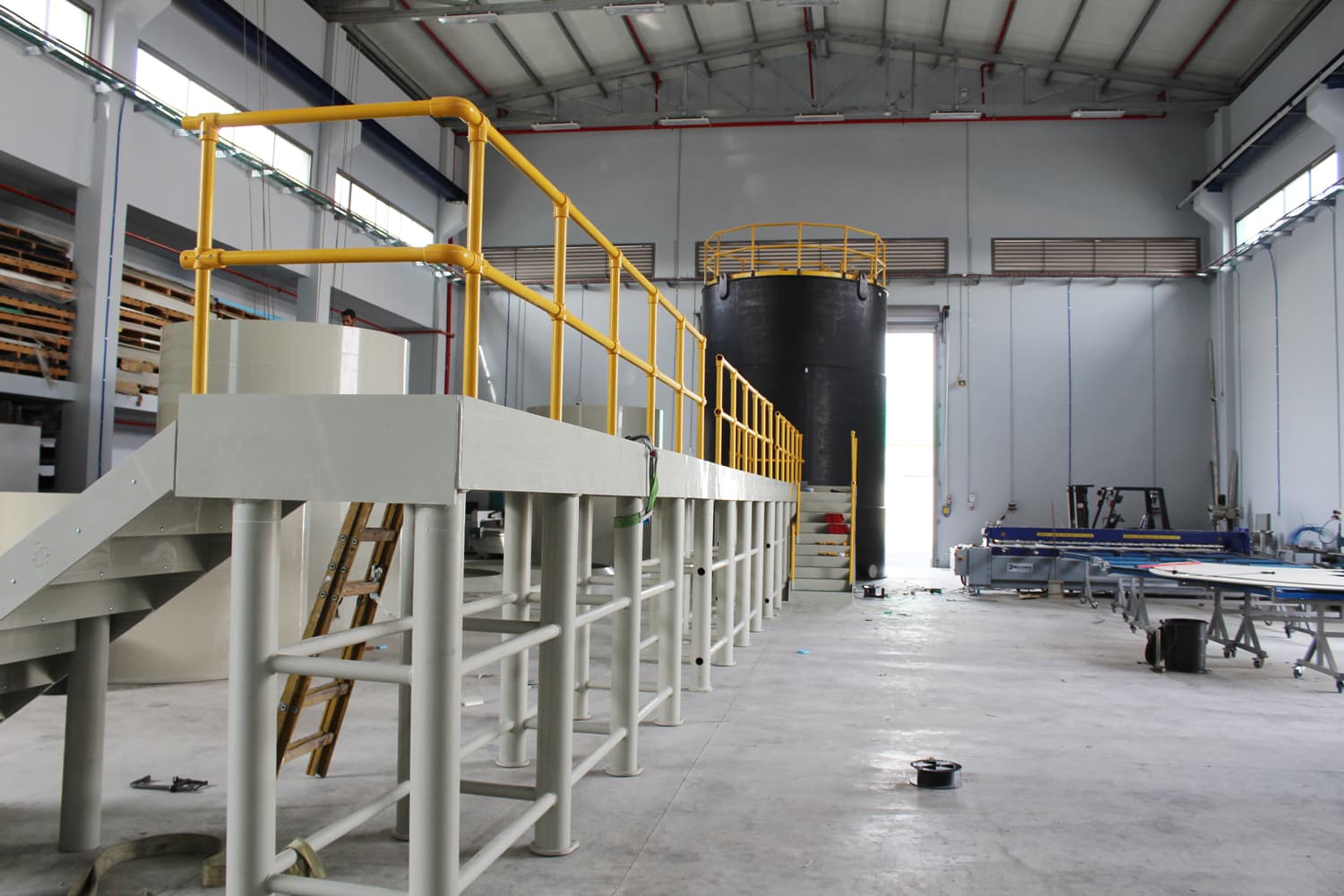


At Plast Hen, we have manufactured both types of pool since 1993, from our factory in Beer Sheva and led by the Amar family. That gives us a rare vantage point: we are not tied to one material, we know both up close, and we can show you where each one truly wins - and where it compromises. The sections below walk through the differences that actually matter in the decision.
So what is the real difference?
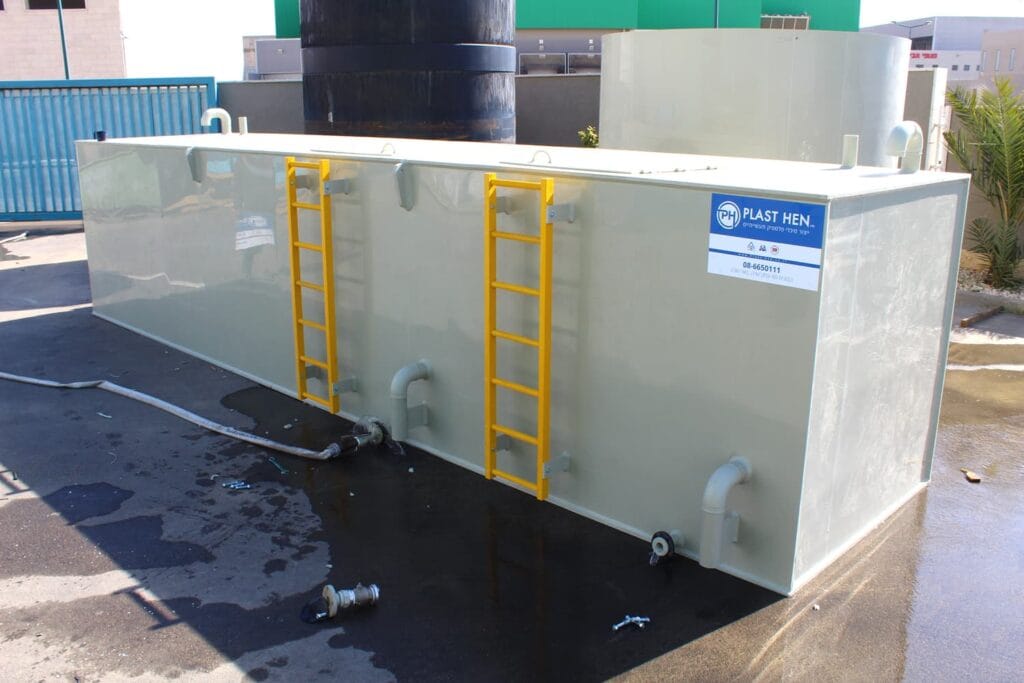
A fiberglass pool is built from layers of glass fiber and resin, finished with an outer layer called gel coat. The gel coat provides a smooth, non-porous surface that algae and bacteria struggle to cling to, and the pool arrives as a single continuous body with no joints.
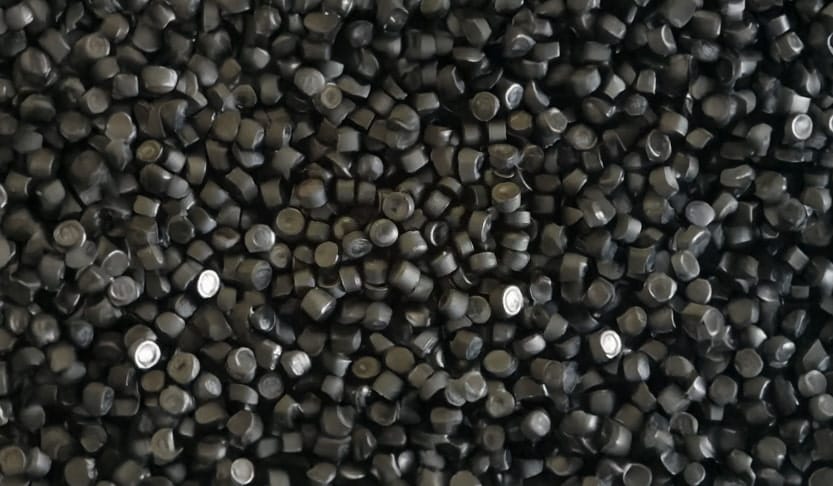
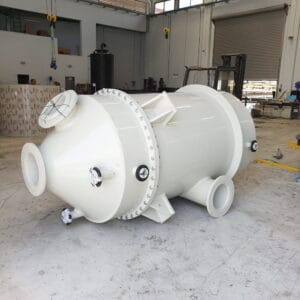
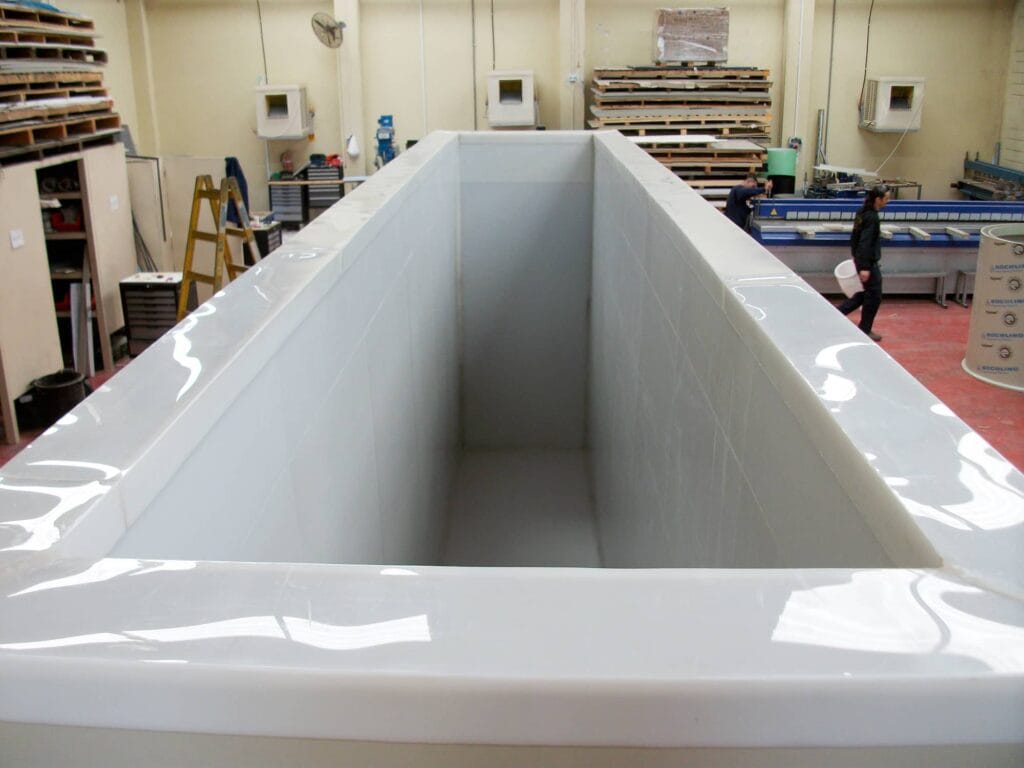
A polypropylene pool is built differently: sheets of polypropylene are welded together into a strong, flexible seam. That method makes it possible to build a pool in almost any shape and size, including non-standard forms and built-in features. Anyone familiar with our polypropylene swimming pools knows that this design freedom is the heart of the material.
Both approaches beat concrete on build time and on built-in waterproofing, but each shines at something different. We also build fiberglass pools to custom order, so shape is not limited to a catalog there either.
Quick comparison: polypropylene vs fiberglass
| Factor | Polypropylene (PP) | Fiberglass (FRP) |
|---|---|---|
| Build method | Sheets welded to size | Layered molded body with gel coat |
| Freedom of shape and size | Very high - almost any shape | High, made to order |
| Interior surface | Smooth, flexible | Exceptionally smooth, non-porous |
| Sun resistance | UV additive keeps color for years | Depends on gel-coat quality |
| Scratch sensitivity | Slightly higher - mind cleaning tools | Hard, resilient surface |
| Routine maintenance | Low | Very low - non-porous gel-coat surface |
| Lifespan | Many years thanks to its UV additive | 30+ years with proper care |
| Insulation & heat retention | Good - built with a dedicated insulation layer | Excellent - the material itself insulates |
| Relative build cost | Higher - fully custom, built on site | Usually lower |
Installation and yard access - where the difference really shows
The difference in build method becomes real on installation day, and it is one of the most practical factors in the choice. A fiberglass pool arrives as one finished body from the factory and is lowered into place with a crane. That is fast and impressive, but it needs the right site conditions: a wide enough passage, room to set up a crane, and sometimes a lift over a fence or house. In an open yard with good access, it is a real advantage, and the pool is in place within a few days.
A polypropylene pool works differently. The sheets arrive flat and are welded on site, so there is no dependence on a crane and no need to bring a whole body through a narrow opening. That is exactly what makes it the right answer when yard access is limited - a small gate, a narrow path, or an existing house blocking the way. Less dramatic in the moment, but it solves a constraint that has no other answer.
 If your yard access is limited or you want a non-standard shape, ask how the design works around that constraint in the very first conversation - it is far cheaper to sol
What can you actually design in each?
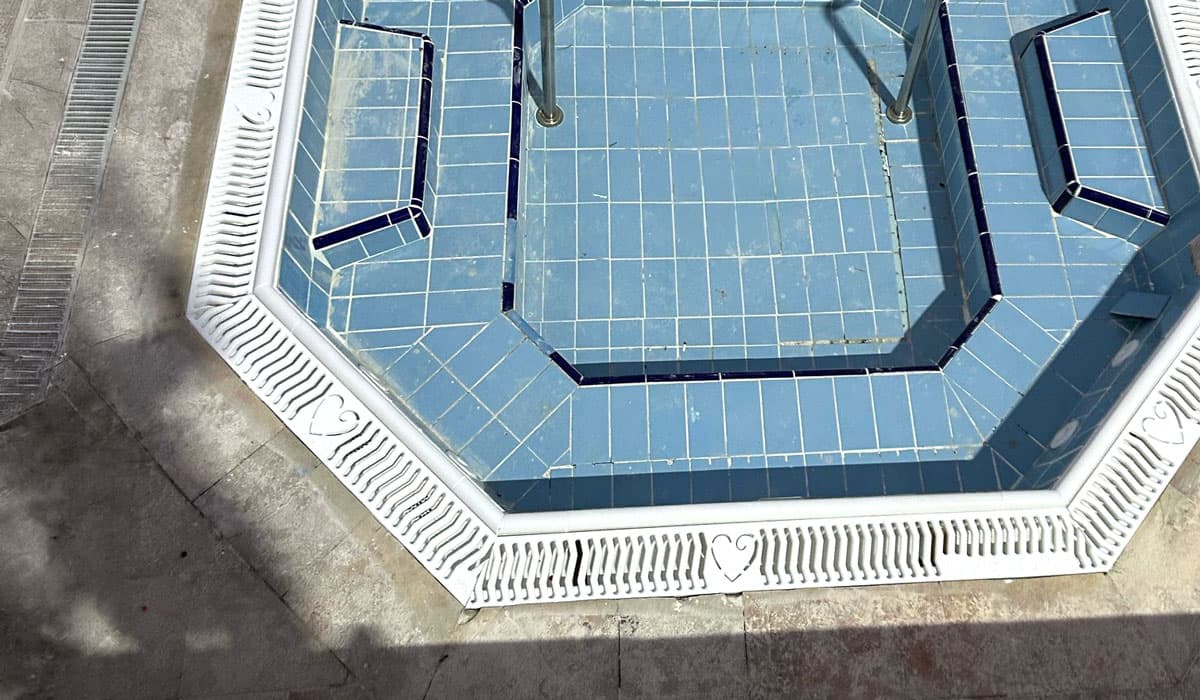
Both pools are far from a "rectangular box," but the range of freedom is not the same. With polypropylene, because everything is welded to size on site, you can reach almost any shape and size: angled corners, a graded beach entry, wide steps and a built-in bench, all tailored to your plan. An uneven depth along the pool is usually possible too, and when you want a high-end look, you can design a built-in overflow channel straight into the plan.
Our fiberglass pool is also made to order rather than pulled from a catalog, but the shape is set at the mold stage: what is planned there is what comes out, including the gel-coat layer that gives the smooth surface and refined look (we cover it in depth in our article on the role of gel coat in fiberglass pools). So fiberglass is excellent for well-defined shapes, while polypropylene shines when the vision is complex or non-standard. In both cases, we sit down over the plan together with you in our pool division before we touch any material.
Durability and lifespan - which lasts longer?
Both pools are built to last for many years, and with proper care, a quality fiberglass pool serves for over 30 years. The difference is in the type of wear: polypropylene calls for a little more care against mechanical scratches, so you choose a cleaning robot and tools accordingly, though its color itself holds up well over the years thanks to the UV additive. In fiberglass, blisters (osmosis) usually appear only after about 10 to 15 years, and only if the resin behind the gel coat was not waterproof - which is exactly why we work with materials and finishes at a level that prevents it from the start. This is the honesty we believe in: a good pool begins with good material, not with a promise.
What extends the life of both is the same thing: balanced water. Surface, color, and finish all love stable chemistry, so it is worth knowing the right target ranges for pH, alkalinity, and chlorine before the pool is even filled.
What about the price?
We do not publish a price list, because a custom pool is not really sold "by catalog price." The factors that move the price are similar for both: size and shape, depth, add-ons like heating, an overflow channel, lighting or a salt system, and how complex the yard access is. That said, between the two, fiberglass tends to be the more budget-friendly to build, while polypropylene usually costs more for its fully custom build on site. Broadly, both still sit below the build cost of concrete at a comparable finish - but the real comparison is not the upfront price alone; it is the total cost over the years, including maintenance and chemicals.
One factor that is easy to miss in the total cost is heating. Fiberglass is a natural insulator - the material is a poor heat conductor, so it holds the water's warmth through the night and lowers heating costs. A polypropylene pool is built with a dedicated insulation layer that reduces heat loss. Both are cheaper to heat than concrete, and that is part of the long-term math worth weighing.
Ask for a quote that itemizes what is included and what is an add-on, so you can compare apples to apples between the two pools and between suppliersSo which is better, polypropylene or fiberglass?
When you compare a polypropylene pool against a fiberglass pool, there is no absolute winner - there is a fit. A quick rule of thumb:
- Free-form shape, a built-in overflow channel, or limited yard access - polypropylene, welded to size from sheets.
- A classic shape, the smoothest surface and minimal maintenance - fiberglass with gel coat.
- Maximum sun resistance without fading - polypropylene with its UV additive.
- The least day-to-day thought - fiberglass, thanks to the non-porous surface.
One thing both share: both pools are installed in weeks, sometimes in just a few days on site, compared with the months of work a concrete pour takes.
How we help you choose
Because we build both polypropylene and fiberglass, the conversation with us starts from your yard, not from our shelf. We ask about the shape you picture, the access to the yard, the budget, and how much maintenance you are comfortable doing - and from there we recommend the material that truly fits. We build our home pools under the HERA division, from planning through on-site installation. Call us at 050-2022246 or 08-665-0111, or write to [email protected], and we will be glad to walk through the options with you, no obligation.