



When Does a Fiberglass Tank Need Repair?
Fiberglass (FRP) tanks are considered particularly durable with an expected lifespan of 20-30 years, but they, too, are subject to wear and damage over time. Early identification of problems enables timely treatment and prevents more serious damage. Key warning signs include cracks in the wall or bottom of the tank, discoloration or whitening of the external surface, bulges or depressions in the wall, leaks or moisture around connections, and peeling of the external gel-coat layer.
The central question that arises is whether to refurbish the existing tank or replace it with a new one. In most cases, fiberglass tank refurbishment is the more economical solution. Refurbishment costs range between 30% and 50% of a new tank price, and the process is faster than manufacturing a new tank. Additionally, refurbishment allows for repurposing and adaptation to new needs, without requiring dismantling and reinstallation of the entire infrastructure. Replacement is recommended only when structural damage is very severe, when the tank is very old and doesn't meet current standards, or when a significant change in volume or configuration is required.
Fiberglass Tank Refurbishment Process
The professional refurbishment process includes several well-defined stages. The first stage is diagnosis and inspection, where a comprehensive visual inspection of all tank surfaces is performed, wall thickness is checked at critical points, integrity of connections and fittings is verified, and detailed documentation of all existing damage is prepared. An important tool at this stage is the Barcol Hardness Test according to ASTM D2583, which enables assessment of resin condition and cure level. The test is performed using a portable handheld device that presses an indenter into the fiberglass surface, with normal values ranging from 30 to 40 for vinyl ester resins. Low readings indicate chemical degradation or improper cure and require treatment. Based on all inspections, the scope of required work is determined.
The second stage is surface preparation. This is a critical stage for refurbishment success. The surface undergoes thorough grinding to remove damaged layers and create good adhesion for new materials. This is followed by thorough cleaning from dust, oils, and chemical residues. In cases of moisture damage, complete drying of the material is also required before continuing work.
The third stage is fiberglass coating. At this stage, new layers of polyester or vinyl ester resin combined with fiberglass mats are applied. The number of layers is determined by the required wall thickness and application. Each layer undergoes complete curing before adding the next layer. In areas requiring special reinforcement, such as around openings or at the tank bottom, additional layers are added.
The fourth stage is finishing and painting. The external layer is coated with gel-coat or special fiberglass paint, providing UV protection, chemical resistance, and aesthetic appearance. Light-colored paint is recommended for tanks exposed to sunlight to reduce heating of contents.
Types of Repair and Refurbishment Work
Crack and leak repair is the most common work. Small cracks can be repaired locally by slightly widening the crack, filling with resin, and reinforcing with a fiber layer. Large cracks or areas with extensive damage require the complete removal of damaged material and rebuilding of the area.
In some cases, locating the source of a leak presents a challenge in itself. The heterogeneous structure of a fiberglass tank - composed of layers of resin and glass fibers - can cause liquid to migrate between layers and appear at a different location from the actual leak source. In such situations, when the exact defect point cannot be identified, an assessment is made of the level height where the leak occurs, and full lamination is applied around the entire tank circumference at that height. This approach serves as a safety factor and ensures complete sealing of the leak area even without identifying the exact point.
Flange and fitting installation is required when new connections are needed or when existing connections need replacement. Fiberglass flanges integrate well with the tank and provide strong, sealed connections. The work includes drilling an opening, surface preparation, flange bonding, and reinforcement around it with additional fiberglass layers.
Anchor and reinforcement installation is important for large tanks or those subject to mechanical loads. Fiberglass or stainless steel anchors are attached to the tank wall and enable stable anchoring to a surface or structure. Internal or external reinforcements (ribs) add structural strength to large-volume tanks.
Tank repurposing allows adaptation for a new use. For example, a tank that stores water can undergo internal coating suitable for chemical storage, or vice versa. The change includes thorough cleaning, chemical compatibility verification, recoating with resin suitable for the new application, and fitting replacement as needed.
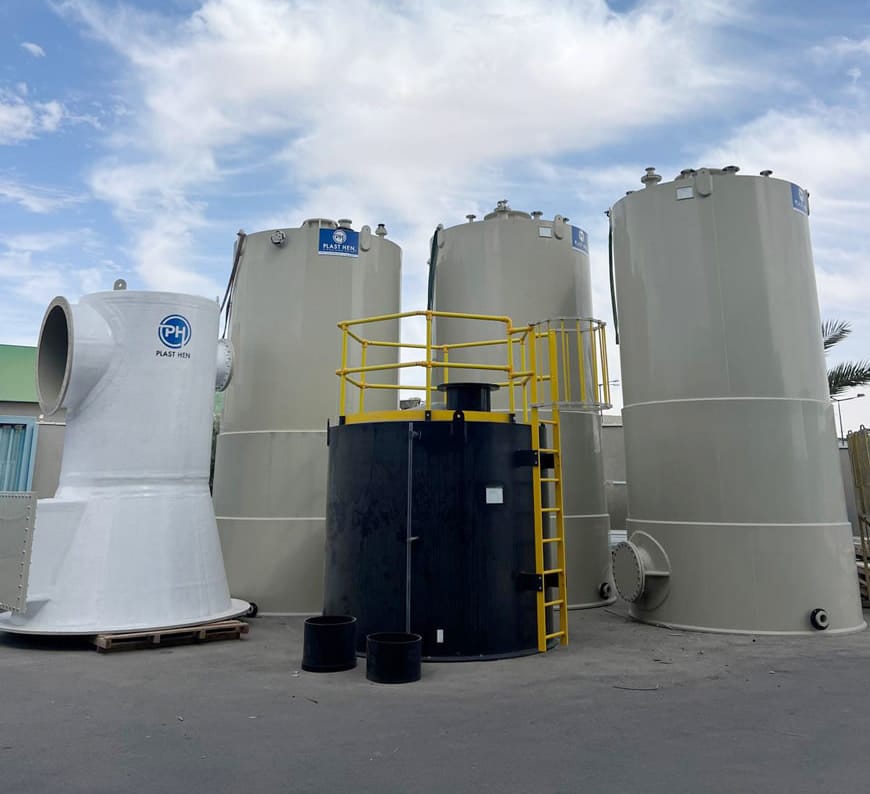
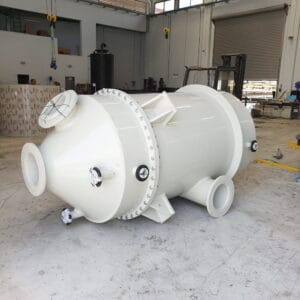
Blower and scrubber refurbishment is a specialized field in itself. Fiberglass blowers and scrubbers used for treating polluted air are exposed to particularly harsh conditions. Plast Hen specializes in manufacturing and refurbishing scrubbers and blowers, and provides complete refurbishment service, including replacement of internal parts, recoating, and performance improvement adaptations.
Transport Tanker Refurbishment
Fiberglass transport tankers are used for transporting water, chemicals, fuels, and other industrial liquids. These tankers are exposed to unique challenges arising from movement and vibrations during travel, extreme temperature changes, continuous UV exposure, and varying pressures during filling and emptying.
The transport tanker refurbishment process is similar in principle to stationary tank refurbishment, but requires special attention to several aspects. First, a thorough structural integrity inspection of all connection points between the tanker and chassis is required, as these are the points most exposed to dynamic loads. Second, inspection and repair of discharge and filling systems, including valves, piping, and connections, must be performed. Third, refurbishment of safety systems such as pressure valves, inspection ports, and ventilation systems is required.
After refurbishment, the transport tanker must pass pressure and sealing tests according to standards. In some cases, approval from the Standards Institute or other authorized body is also required before returning to use.
Industrial Applications
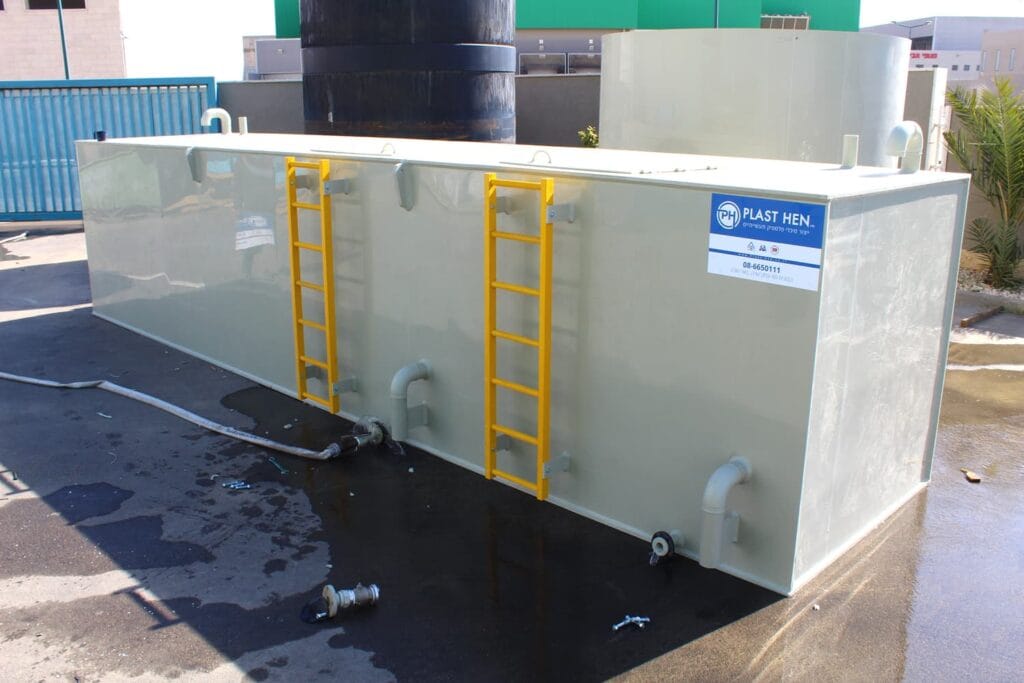
Fiberglass tanks are used in a wide range of industries, each presenting unique refurbishment and maintenance requirements. In the chemical industry, FRP tanks store acids, bases, and various chemicals. Tank refurbishment in this environment requires the use of chemically resistant resins such as vinyl ester and meticulous attention to complete cleanliness from contamination. Plast Hen manufactures new FRP tanks and provides maintenance and refurbishment services for existing tanks.
In the food and beverage industry, fiberglass tanks are used for storing water, liquid raw materials, and finished products. Tank refurbishment in this field requires the use of food-contact approved materials and compliance with strict hygiene standards. The internal coating must be completely smooth without cracks or defects that could allow bacterial growth.
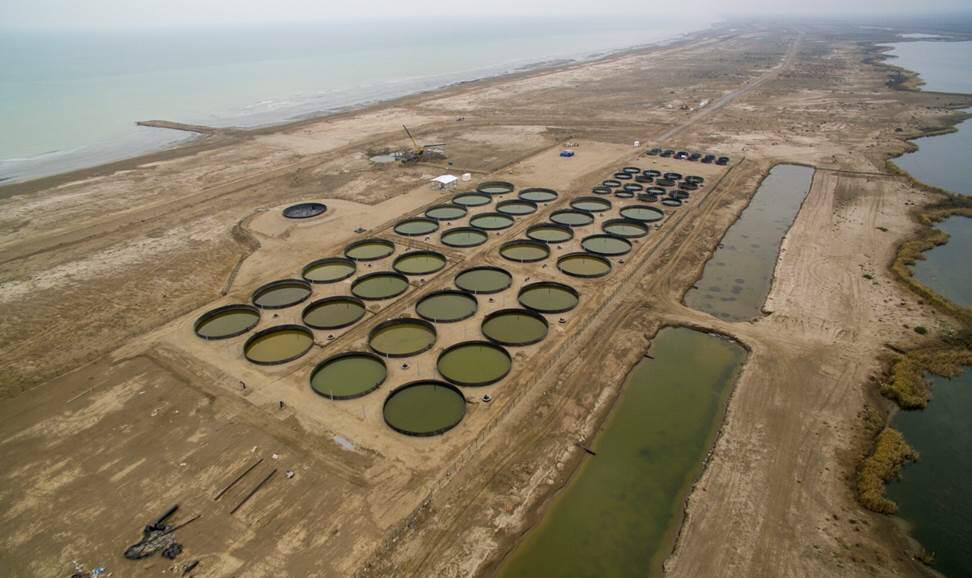
In agriculture, fiberglass tanks are common for storing water, liquid fertilizer, and pesticides. These tanks are exposed to harsh outdoor conditions and require enhanced UV protection and durable painting. Agricultural tank refurbishment usually also includes treatment of the base and anchoring to prevent settling or tilting.
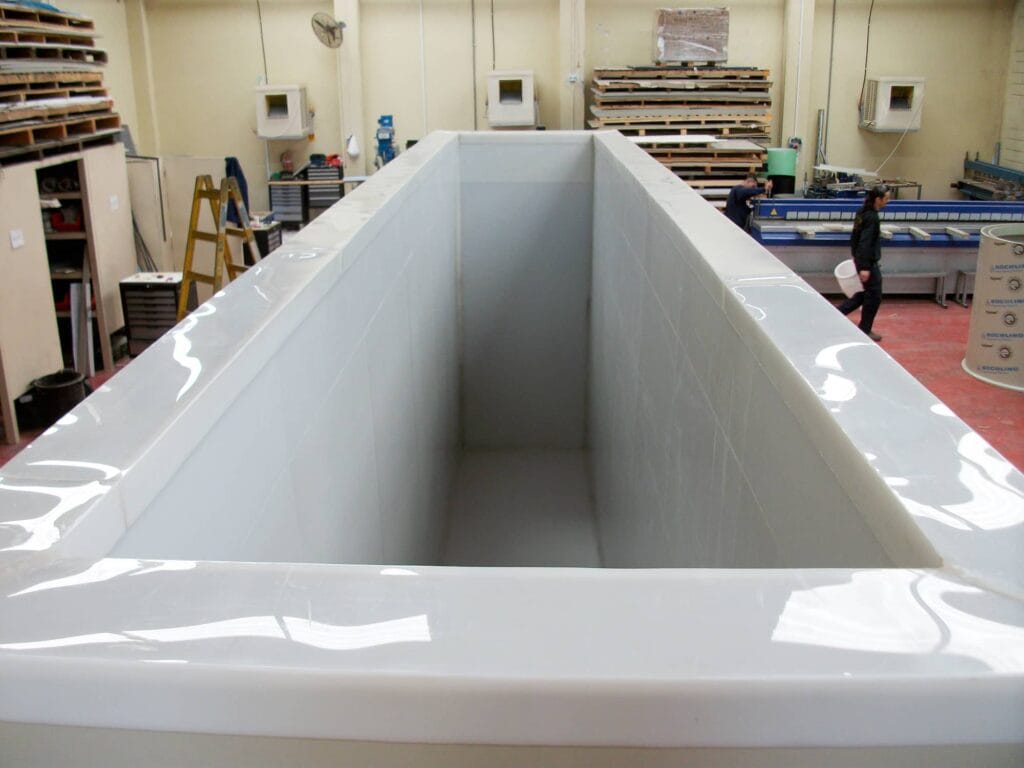
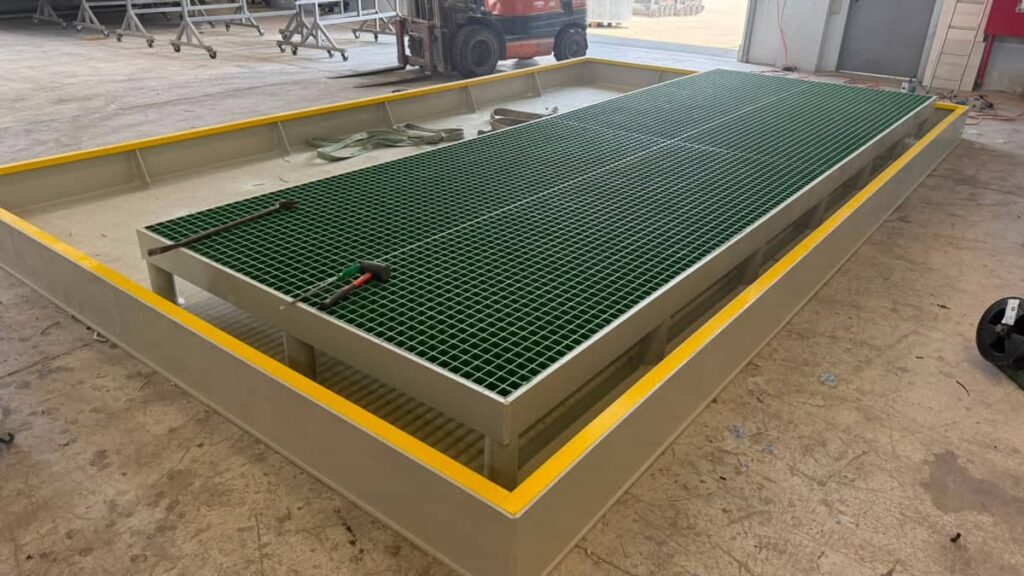
In water and wastewater treatment facilities, FRP tanks serve as reservoirs, sedimentation tanks, chemical treatment tanks, and more. Plast Hen provides customized solutions for this field, including containment basins and storage tanks in accordance with environmental regulatory requirements.
Summary
Fiberglass tank refurbishment is an economical and efficient solution for extending tank life and maintaining proper function. A professional process, including accurate diagnosis, thorough surface preparation, coating with quality materials, and appropriate finishing, ensures durable results for many years. Whether dealing with leak repairs, fitting replacement, repurposing, or transport tanker refurbishment, it is important to choose an experienced contractor familiar with the material characteristics who works according to accepted standards. Regular maintenance and periodic inspections will prevent future damage and save on high costs in the long term.