



What is PVC?
Polyvinyl Chloride, commonly known as PVC, is the world's third most produced synthetic polymer after polyethylene and polypropylene. It is a thermoplastic manufactured through polymerization of vinyl chloride monomer (VCM), with the chemical formula (C2H3Cl)n. The molecular structure includes a chlorine atom bonded to every second carbon unit in the polymer chain, giving the material its unique properties of flame resistance and chemical stability.
The material was first developed in 1872 by German chemist Eugen Baumann, although French physicist Henri Regnault documented a similar observation as early as 1838. The first patent was registered in 1913 by Friedrich Klatte in Germany, but the real commercial breakthrough came in 1926 when Waldo Semon at B.F. Goodrich developed a method for adding plasticizers that made the material flexible and processable. From the 1950s, mass production of PVC began, and today approximately 40 million tons are produced annually worldwide.
Manufacturing Process
PVC is produced through vinyl chloride polymerization in a free radical process. Three main production methods exist: suspension polymerization comprising about 80% of global production and suitable for most applications, emulsion polymerization for special applications like coatings, and bulk polymerization for high purity. After polymerization, the material is processed through extrusion to produce pipes and profiles, or through injection molding for fittings and complex products.
Structure and Physical Properties
PVC is primarily an amorphous polymer, with a structure of long polymer chains containing chlorine atoms. The chlorine atoms, constituting about 57% of the polymer weight, give PVC excellent fire resistance - the material is self-extinguishing and does not support flame propagation. The relatively high density (1.30-1.45 g/cm³) results from the presence of heavy chlorine in the molecule.
PVC behavior varies dramatically depending on additives. Rigid PVC (PVC-U or uPVC) without plasticizers is a stiff and strong material suitable for pipes and tanks. Adding plasticizers like phthalates makes the material flexible and soft, suitable for cables, upholstery and coatings. This adaptability is one of PVC's key advantages, enabling a wide range of applications.
Technical Specifications
Values may vary according to material grade, additives and processing conditions. Specific verification for working conditions is recommended.
| Property | Value | Notes |
|---|---|---|
| Density | 1.30-1.45 g/cm³ | PVC-U: 1.41, CPVC: 1.52 |
| Continuous Service Temperature | Up to 60°C | CPVC up to 93°C |
| Heat Deflection Temperature (HDT) | 80°C | At 264 psi |
| Tensile Strength | 40-52 MPa | PVC-U |
| Elastic Modulus | 2,800-3,300 MPa | |
| Elongation at Break | 20-40% | |
| Water Absorption | <0.04% | 24 hours |
| Hardness | 97-121 Rockwell R | |
| Limiting Oxygen Index (LOI) | ~40% | Self-extinguishing |
| Thermal Conductivity | 0.14-0.17 W/m·K | Good insulation |
Chemical Resistance
| Chemical Group | Examples | Resistance | Limitations |
|---|---|---|---|
| Mineral Acids | H2SO4 up to 70%, dilute HCl | ⭐⭐⭐⭐⭐ | High concentration at limited temperature |
| Bases | NaOH up to 30%, KOH | ⭐⭐⭐⭐⭐ | |
| Aqueous Salts | NaCl, CaCl2, brines | ⭐⭐⭐⭐⭐ | |
| Alcohols | Methanol, ethanol, isopropanol | ⭐⭐⭐⭐ | |
| Oils and Fats | Mineral oils, vegetable oils | ⭐⭐⭐⭐ | |
| Drinking and Process Water | Deionized water, cooling water | ⭐⭐⭐⭐⭐ | |
| Ketones | Acetone, MEK | ⭐ | Avoid - dissolves material |
| Esters | Ethyl acetate | ⭐ | Avoid |
| Aromatic Hydrocarbons | Benzene, toluene, xylene | ⭐ | Avoid |
| Chlorinated Solvents | THF, dichloromethane | ⭐ | Avoid - used for welding |
Rating: ⭐⭐⭐⭐⭐ = Excellent, ⭐ = Not suitable
PVC Types and Grades
Several types of PVC exist, tailored for different applications. PVC-U (Unplasticized) is the most common rigid type for industrial applications, without added plasticizers. Its temperature range is 0 to 60°C, offering excellent chemical and mechanical resistance. Used primarily for pipes, tanks, fittings and building profiles. PVC-M (Modified) contains additives for improved impact resistance, suitable for applications requiring enhanced flexibility.
CPVC (Chlorinated PVC) undergoes additional chlorination raising chlorine content from 57% to 67%. This change enables resistance to higher temperatures up to 93°C and improved chemical resistance. CPVC is common in hot water systems, industrial piping at high temperatures, and fire suppression systems. Leading brands include Corzan and FlowGuard Gold from Lubrizol. PVC-O (Oriented) undergoes molecular orientation that doubles tensile strength, primarily used for pressure piping.
Regarding cost, PVC is one of the most economical thermoplastics on the market. It is significantly cheaper than polypropylene and polyethylene for most applications, and far less expensive than fluoropolymers like PVDF. Additional advantages include high availability and wide variety of grades and forms.
Industrial Applications
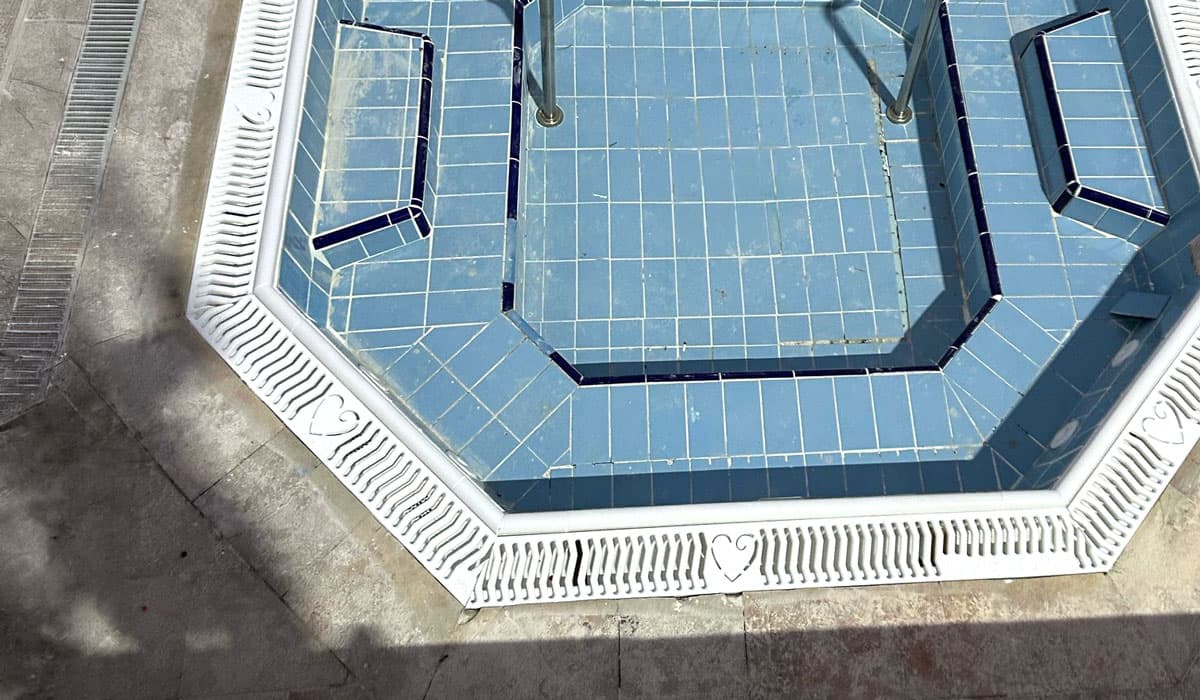
The water and sewage industry is PVC's largest application. The material's corrosion resistance, light weight, and simple installation have made it the standard for water and drainage piping. PVC has almost completely replaced cast iron in drainage pipes, and is also used in irrigation systems and pools. PVC piping is expected to last 50-100 years under proper service conditions.
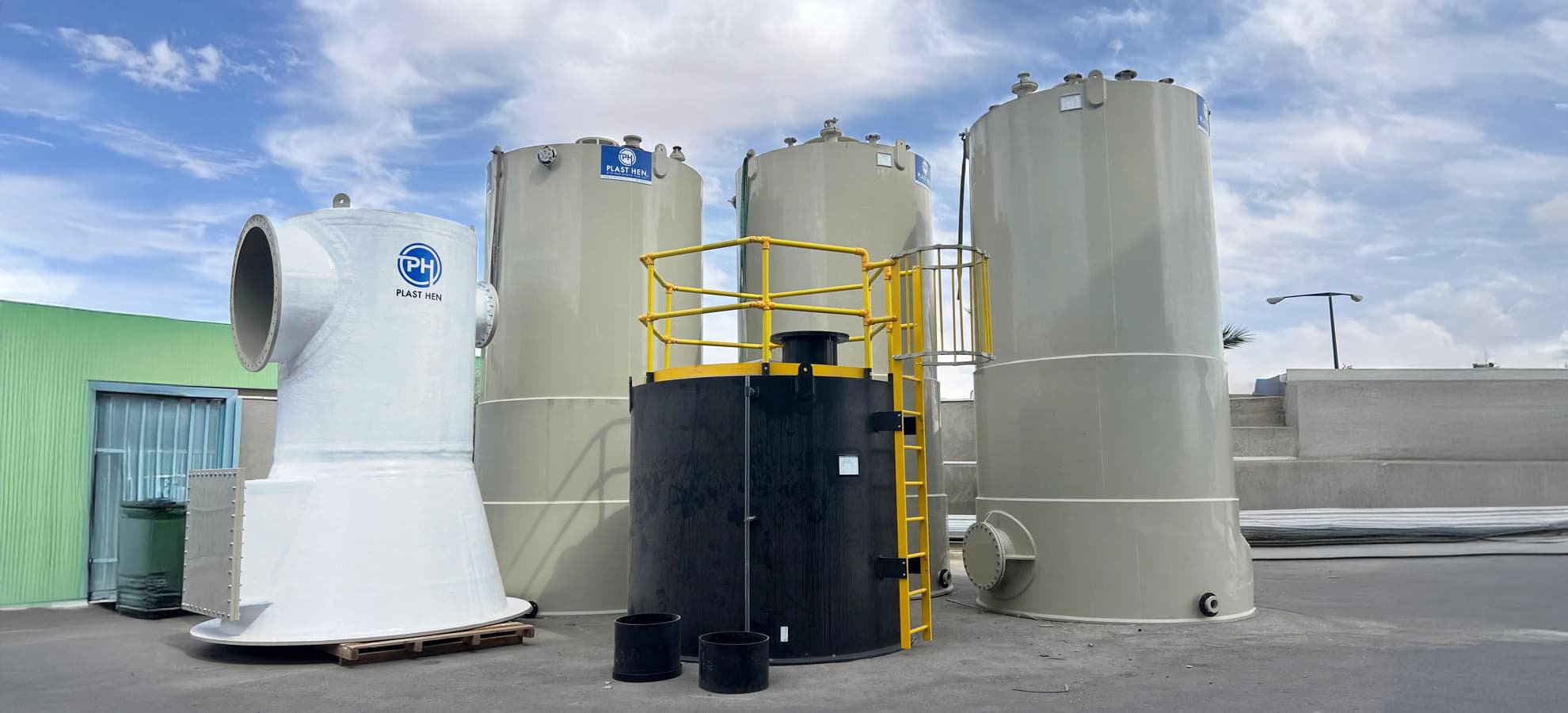
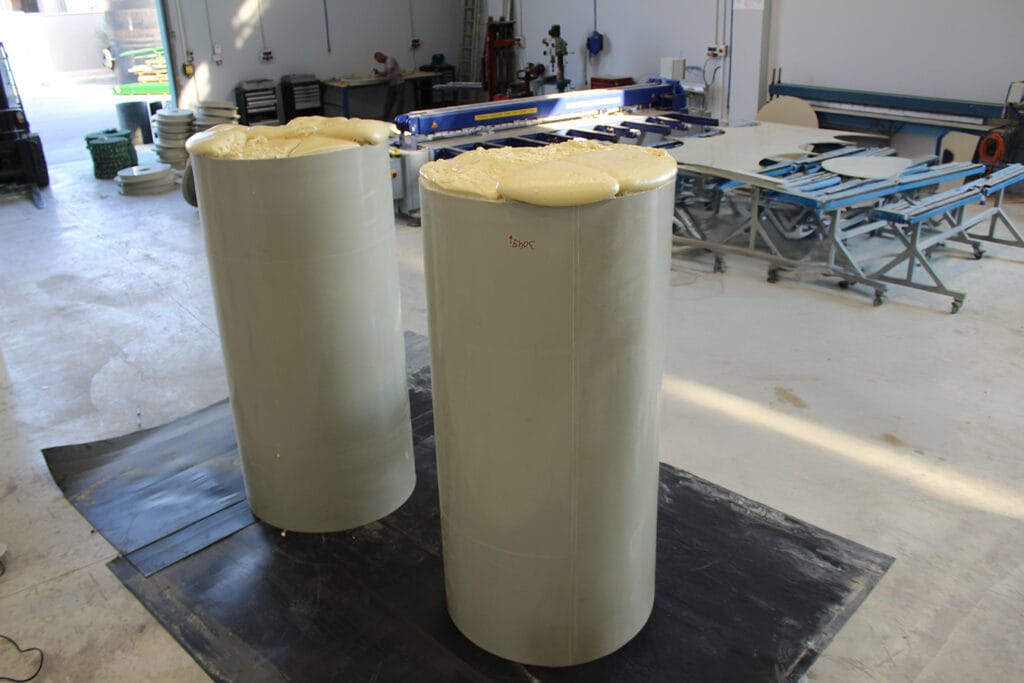
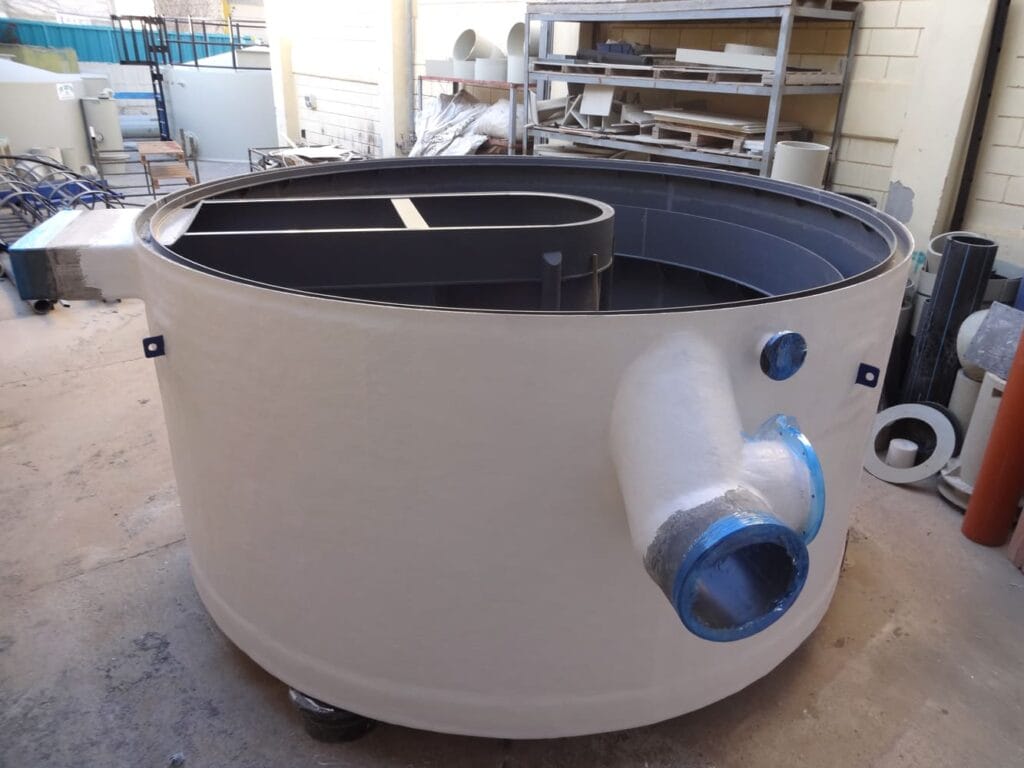
In the chemical industry, PVC is used for the storage and transport of chemicals that don't attack it - dilute acids, bases, brines, and deionized water. Plast Hen manufactures custom PVC tanks for various industrial applications, including storage tanks, mixing vessels and process tanks. The primary advantage is low cost compared to other materials with similar chemical resistance.
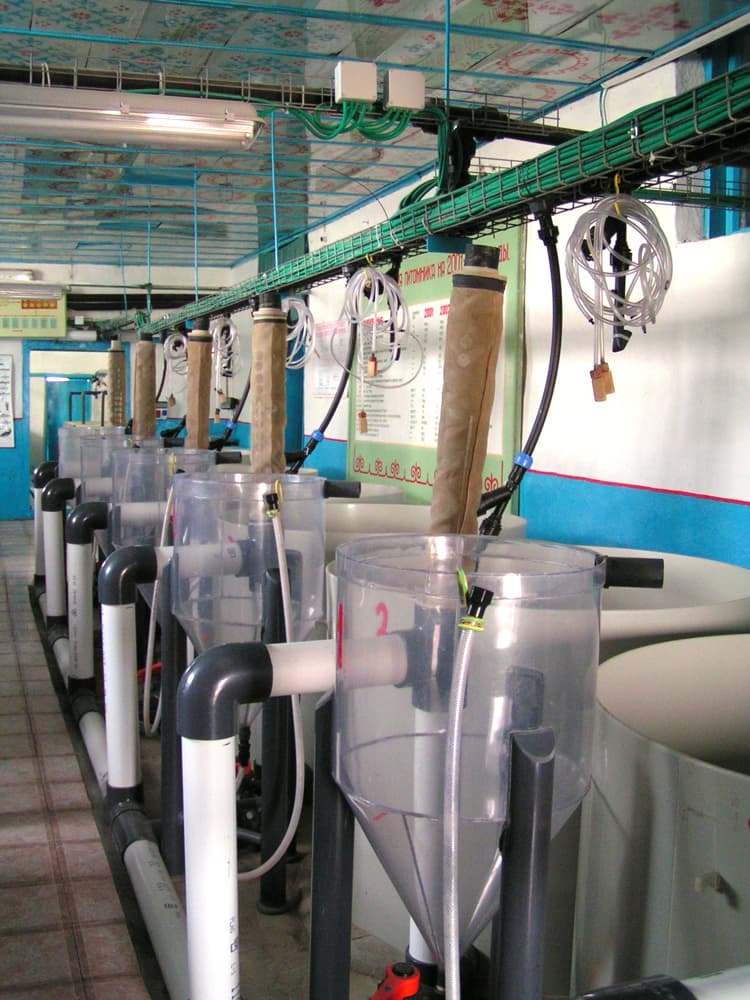
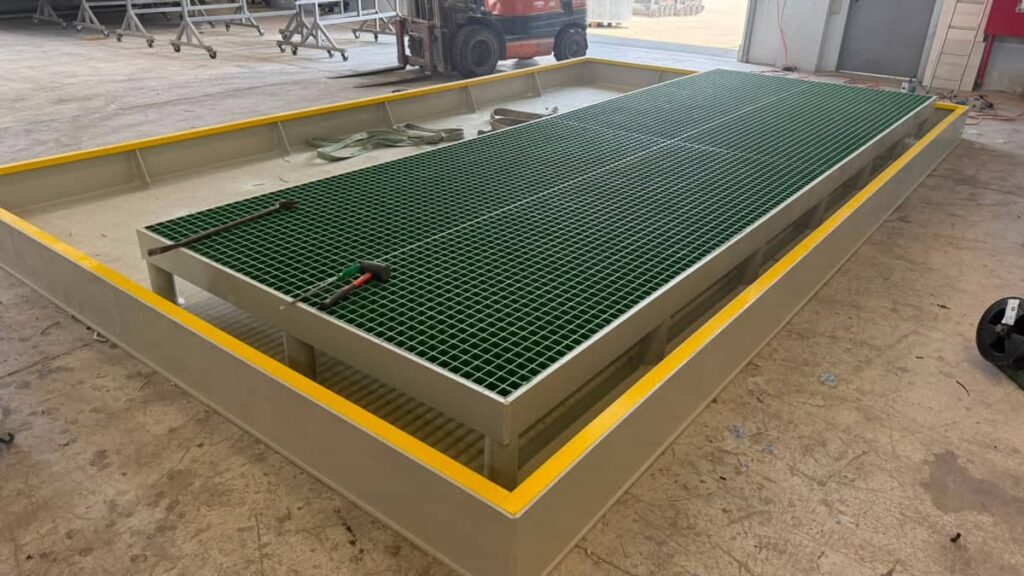
Water and wastewater treatment is another field where PVC is very common. The material is used for sedimentation tanks, chemical storage tanks for water treatment (chlorine, fluoride, coagulants), piping between treatment stations, and filtration systems. Plast Hen manufactures containment basins from PVC for safe storage of hazardous materials in compliance with environmental regulations.
In food and pharmaceuticals, food-grade PVC is used for liquid transfer piping, packaging systems, and work surfaces. The material is FDA approved for food and drinking water contact (NSF 61 certification). Care must be taken to use food-designated grades and avoid exposure to high temperatures.
Joining and Welding
The primary joining method for PVC is solvent cement welding. In this method, cement containing solvents (typically THF or MEK) dissolves the joining surfaces of the pipe and fitting. After assembly and drying, a homogeneous joint as strong as the original material is formed. Full curing time ranges from an hour to days, depending on diameter, temperature, and humidity. The ideal working temperature is 5-25°C.
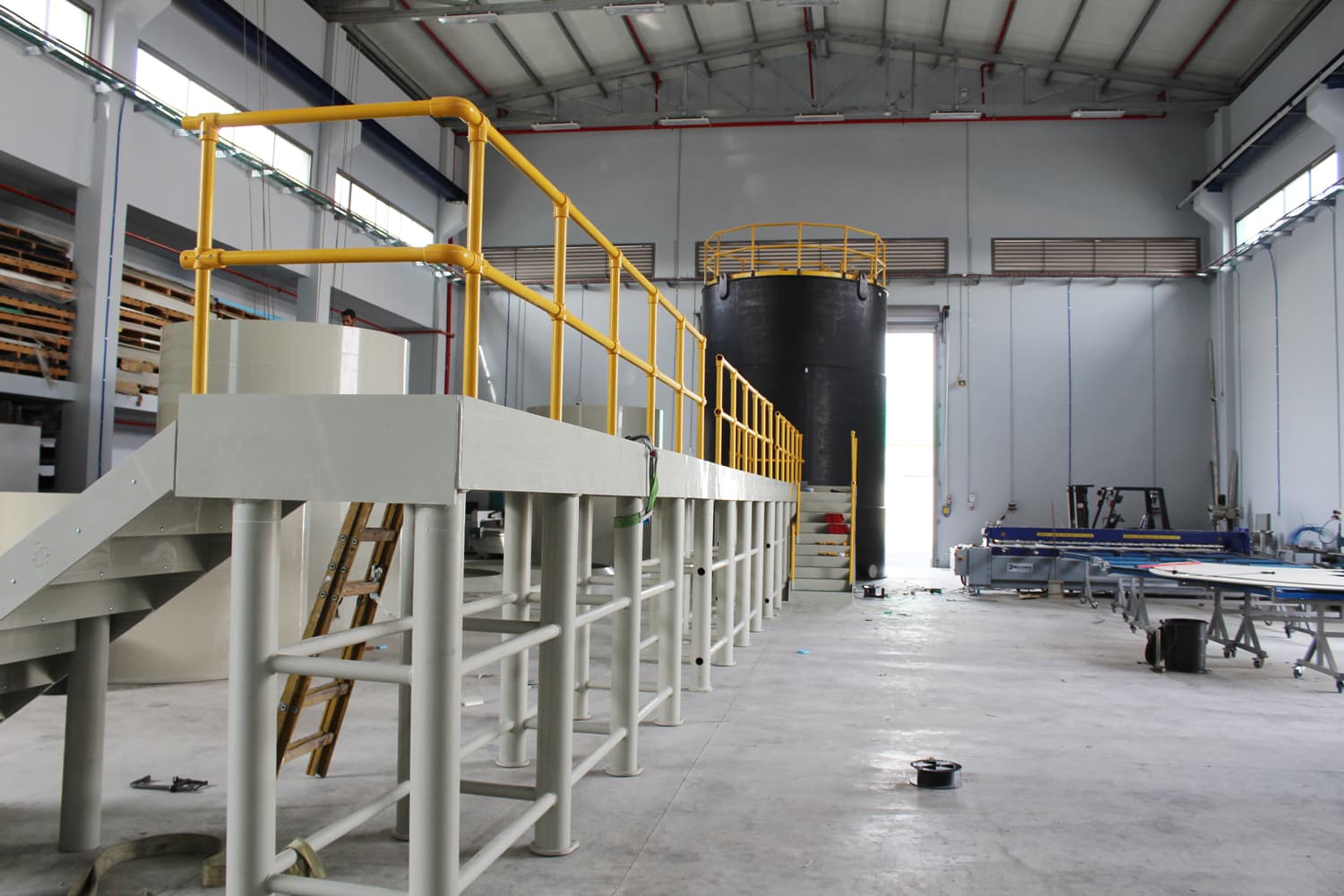
For joining PVC sheets and panels, hot air welding at 250-270°C is used. This method requires higher skill levels and professional equipment. Plast Hen employs certified welders according to German DVS standards for manufacturing process baths and PVC tanks.
Standards and Quality Control
Manufacturing and installation of PVC systems are subject to stringent international standards. DVS 2205 defines requirements for the design and manufacture of thermoplastic tanks, including strength calculations, wall thickness, and quality testing. DVS 2204-4 and DVS 2204-5 address bonding of PVC-U and PVC-C piping respectively. Every tank undergoes wall thickness testing, weld inspection, and leak testing.
For use with food and drinking water, certifications such as FDA, NSF 61 for drinking water contact, and WRAS for water use in the UK are required. FDA-approved PVC is available and suitable for various food and beverage applications.
Considerations for Choosing PVC
PVC is an excellent choice when good chemical resistance is needed at temperatures up to 60°C, low cost is important, and the application involves dilute acids, bases, or brines. The material is particularly suitable for water and drainage piping, chemical storage tanks for non-aggressive chemicals, and water treatment systems.
Another material should be considered when the temperature exceeds 60°C (consider CPVC or PP), when contact with organic solvents is required (consider PVDF or stainless steel), or when extended UV resistance without protection is needed. Cost is determined by volume, size, custom adaptations, installation conditions, and associated accessories.