



Polypropylene, commonly known as PP, is one of the most widely used thermoplastic materials in modern industry. Developed in the 1950s, it has since become the preferred choice for a broad range of industrial applications due to its unique combination of properties: high chemical resistance, excellent mechanical strength, low weight, and competitive cost.
In the chemical industry, refineries, food and pharmaceutical plants, and water treatment facilities, polypropylene is used to manufacture storage tanks, piping systems, containment basins, and a wide variety of process equipment. This article provides a professional overview of the material's properties, advantages and disadvantages, and a comparison with other thermoplastic materials to assist in selecting the right material for each application.
Physical and Chemical Properties of Polypropylene
Polypropylene is a semi-crystalline thermoplastic polymer produced through the polymerization of propylene gas. Its molecular structure provides a combination of properties that make it an ideal material for demanding industrial applications.
In terms of temperature resistance, polypropylene performs well in a range between 0 and 100 degrees Celsius for continuous use, with the ability to withstand temperatures up to 140 degrees for short periods. The material's melting point ranges between 160 and 170 degrees Celsius, enabling sterilization and cleaning processes at high temperatures. It should be noted that at temperatures below zero degrees, the material tends toward increased brittleness, which must be considered when designing systems for cold environments.
The chemical resistance of PP is among the highest of thermoplastic materials. The material is resistant to most inorganic and organic acids, bases, salts, and aqueous solutions at various concentrations. It is suitable for storage and transport of sulfuric acid at concentrations up to 50%, phosphoric acid, basic solutions such as sodium hydroxide, and a wide range of industrial chemicals. However, PP should not be used in contact with strong oxidizing agents such as concentrated nitric acid, halogens, and certain organic solvents such as toluene and xylene at elevated temperatures.
The material's density is relatively low, ranging between 0.90 and 0.92 grams per cubic centimeter, making it lighter than water and easy to work with and install. The tensile strength of PP ranges between 25 and 40 MPa, and it exhibits excellent fatigue resistance, meaning the ability to withstand repeated load cycles without structural damage.
Polypropylene Technical Specifications
The following data summarizes the physical, mechanical, and chemical properties of polypropylene in standard commercial grades. It should be noted that these values may vary depending on the material grade, additives, and manufacturing conditions. When designing a specific system, it is recommended to verify the data with the material manufacturer and perform compatibility tests for actual working conditions.
Physical and Mechanical Properties
| Property | Value | Units | Notes |
|---|---|---|---|
| Density | 0.90-0.92 | g/cm³ | The lightest polymer among commercial plastics |
| Melting Point | 160-170 | °C | For isotactic commercial grades |
| Continuous Service Temperature | 0-100 | °C | Without degradation of mechanical properties |
| Maximum Short-Term Temperature | Up to 140 | °C | Limited time exposure |
| Tensile Strength | 25-40 | MPa | Depends on grade and additives |
| Elastic Modulus | 1.0-1.5 | GPa | Medium stiffness |
| Elongation at Break | 100-300 | % | Good flexibility |
| Water Absorption | <0.1 | % | Excellent moisture resistance |
| Hardness | 55-65 | Shore D | Relatively hard surface |
Chemical Resistance
| Chemical Group | Examples | Resistance Level | Limitations |
|---|---|---|---|
| Inorganic Acids | Sulfuric acid (<75%), phosphoric acid, hydrochloric acid | ⭐⭐⭐⭐⭐ Excellent | Avoid concentrated nitric acid |
| Bases | Sodium hydroxide, potassium hydroxide | ⭐⭐⭐⭐⭐ Excellent | All concentrations |
| Salts and Aqueous Solutions | Chlorides, sulfates, nitrates | ⭐⭐⭐⭐⭐ Excellent | All concentrations |
| Alcohols | Methanol, ethanol, isopropanol | ⭐⭐⭐⭐⭐ Excellent | At room temperature |
| Oils and Fats | Mineral oils, animal fats | ⭐⭐⭐⭐ Good | - |
| Strong Oxidizing Agents | Concentrated nitric acid, chlorine, bromine | ⭐ Not suitable | Damage to material structure |
| Aromatic Solvents | Benzene, toluene, xylene | ⭐⭐ Limited | Only at low temperatures |
| Chlorinated Solvents | Chloroform, dichloromethane | ⭐ Not suitable | Swelling and damage |
| Ketones | Acetone, MEK | ⭐⭐ Limited | At low temperatures only |
Comparison Between Polypropylene and Other Thermoplastic Materials
Selecting the appropriate material for an industrial project requires understanding the differences between the various available materials. Below is a comparison between polypropylene and other common materials:
Polypropylene vs. Polyethylene (HDPE): Both materials belong to the polyolefin family and share similar properties, but significant differences exist. PP is more resistant at high temperatures and exhibits higher stiffness and strength, while HDPE is more flexible and more resistant at sub-zero temperatures. In terms of chemical resistance, PP is more resistant to solvents and certain acids, but HDPE is more resistant to oxidizing agents. For projects requiring operation at freezing temperatures or maximum flexibility, HDPE may be the preferred choice.
Polypropylene vs. PVC: Polyvinyl chloride (PVC) is a more rigid material than PP and has good fire resistance. However, PP is more resistant at high temperatures and has broader chemical resistance to various acids and bases. PVC is more common in sewage and cold water systems, while PP is preferred for chemical applications and elevated temperatures.
Polypropylene vs. PVDF: Polyvinylidene fluoride (PVDF) offers even higher chemical resistance than PP, especially to oxidizing agents and halogens, and operates in a wider temperature range. However, its cost is significantly higher. PVDF is intended for extreme applications where PP does not provide an adequate solution, such as working with hydrofluoric acid or chlorine.
Industrial Applications of Polypropylene
The versatility of polypropylene is reflected in the wide range of its industrial applications. The material is used for manufacturing process equipment, storage and conveyance systems, and environmental safety solutions across various industrial sectors.
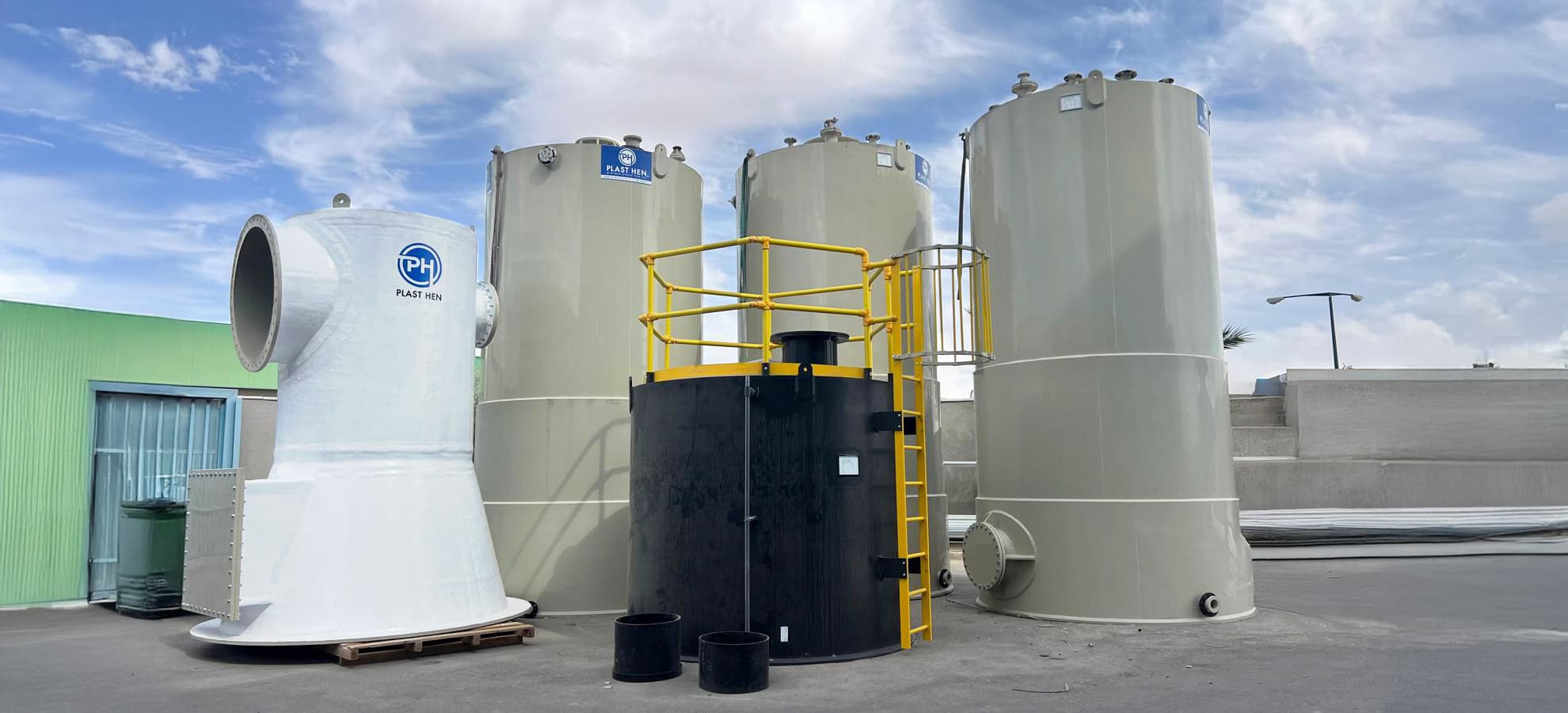
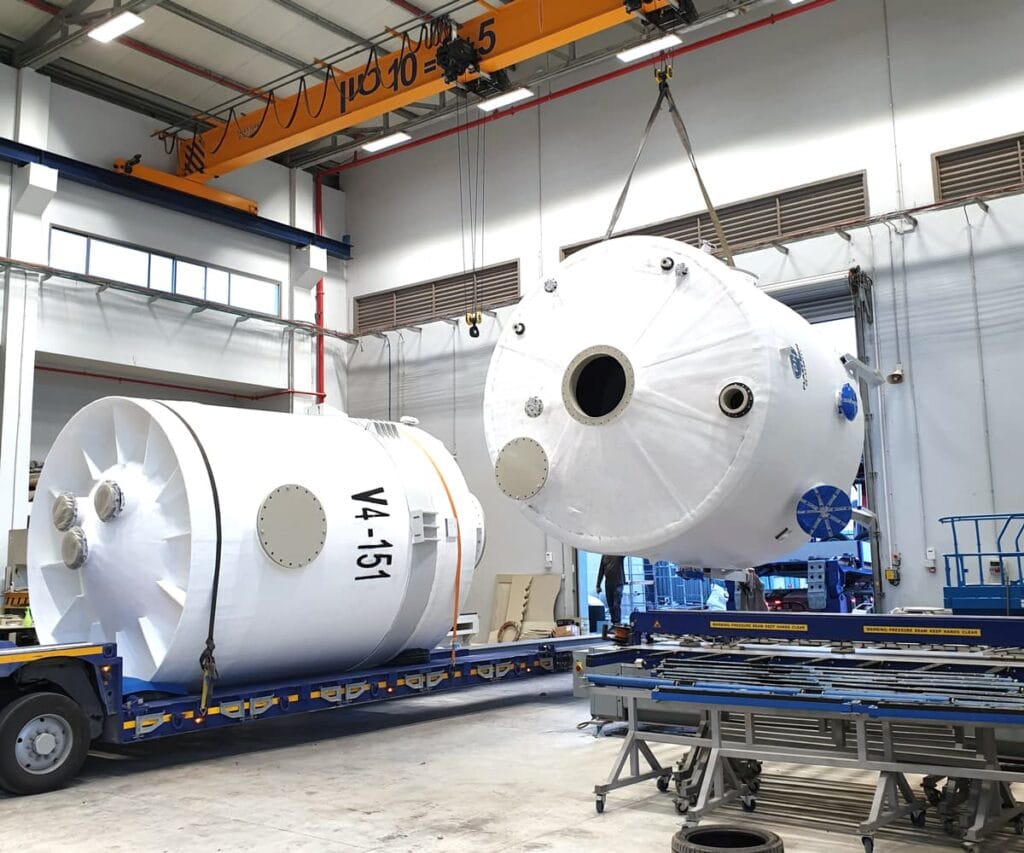
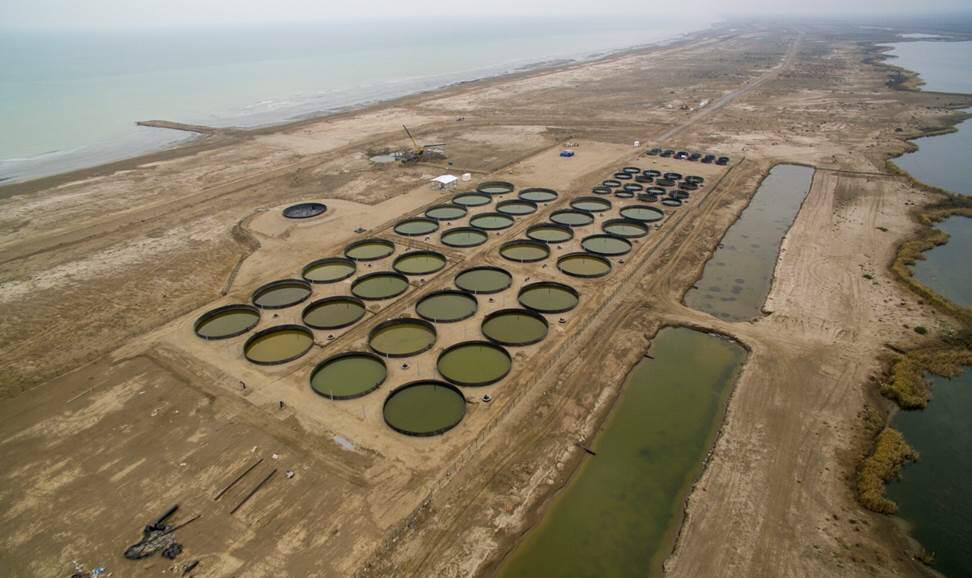
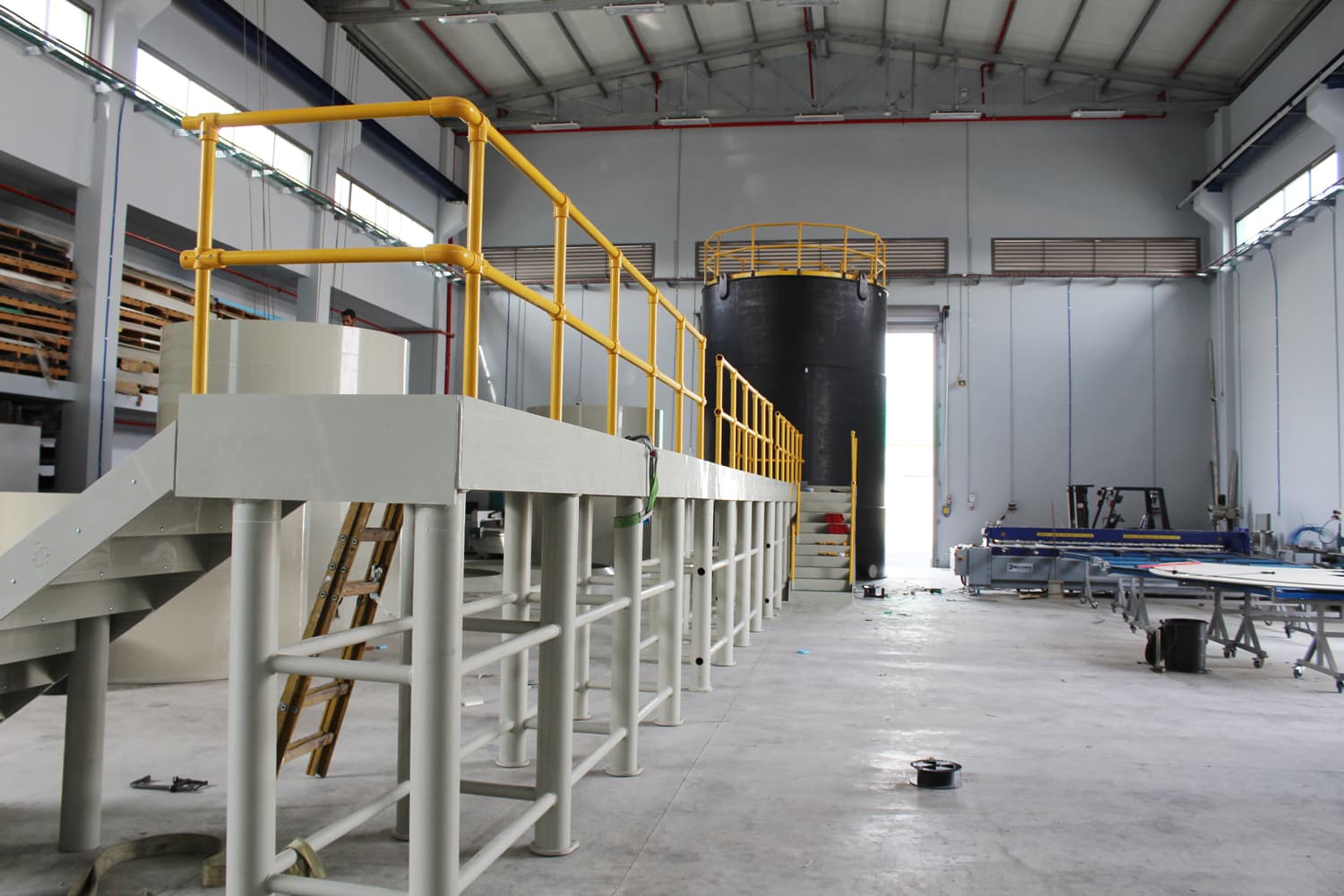
Polypropylene tanks are used for storing chemicals, acids, and bases in chemical plants, refineries, and wastewater treatment facilities. The tanks are manufactured in volumes ranging from hundreds of liters to tens of cubic meters, with the option for custom adaptation of shape, connections, and accessories. The main advantage of PP tanks is the combination of high chemical resistance with competitive cost compared to other materials.
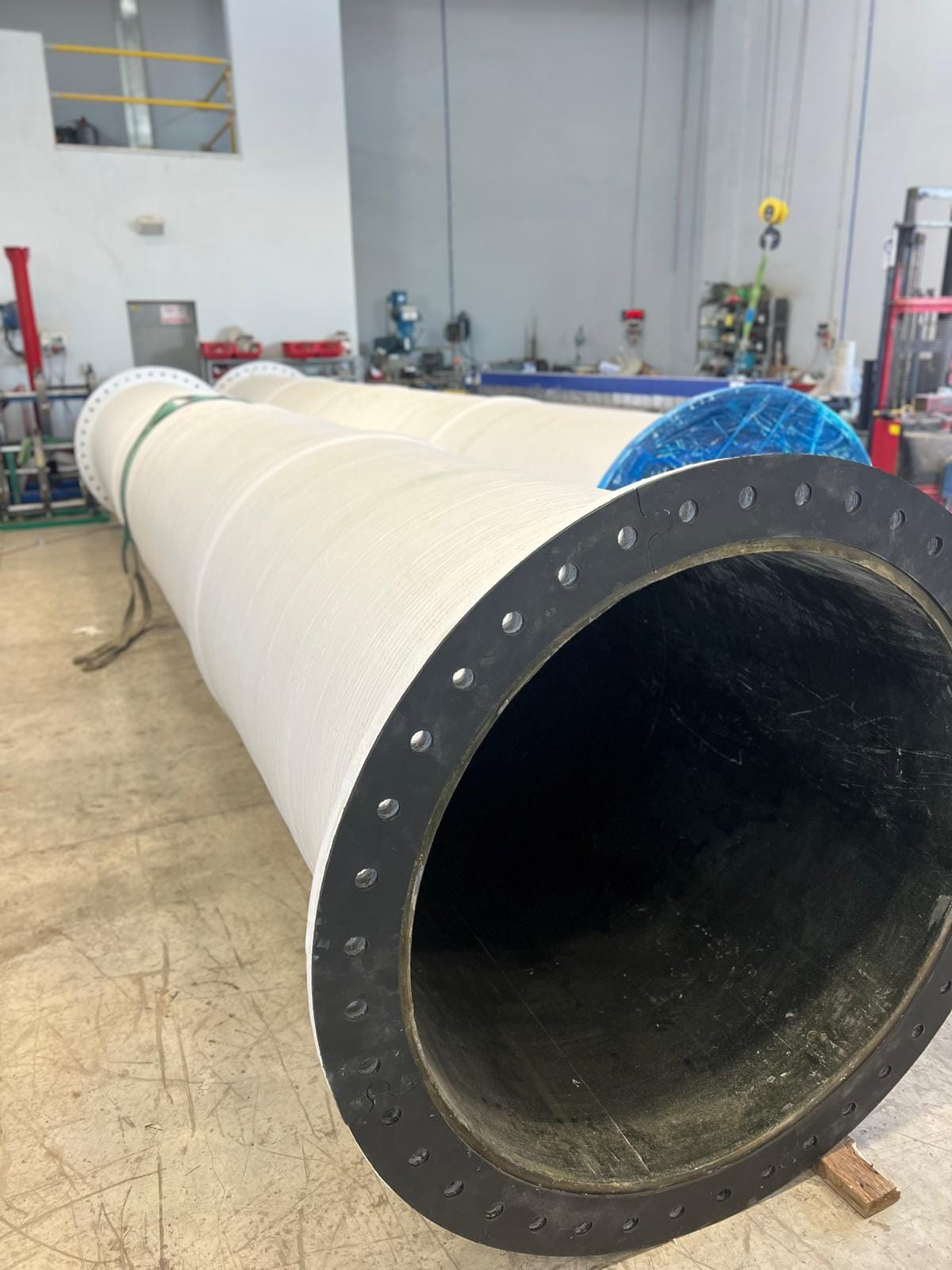
Polypropylene piping provides a proven solution for conveying liquids and chemicals in industry. The piping is manufactured in various diameters and connection types, adapted for operation at varying pressures and temperatures. A significant advantage of PP piping is the ability to heat-weld, providing a homogeneous connection stronger than glued or mechanical joints.
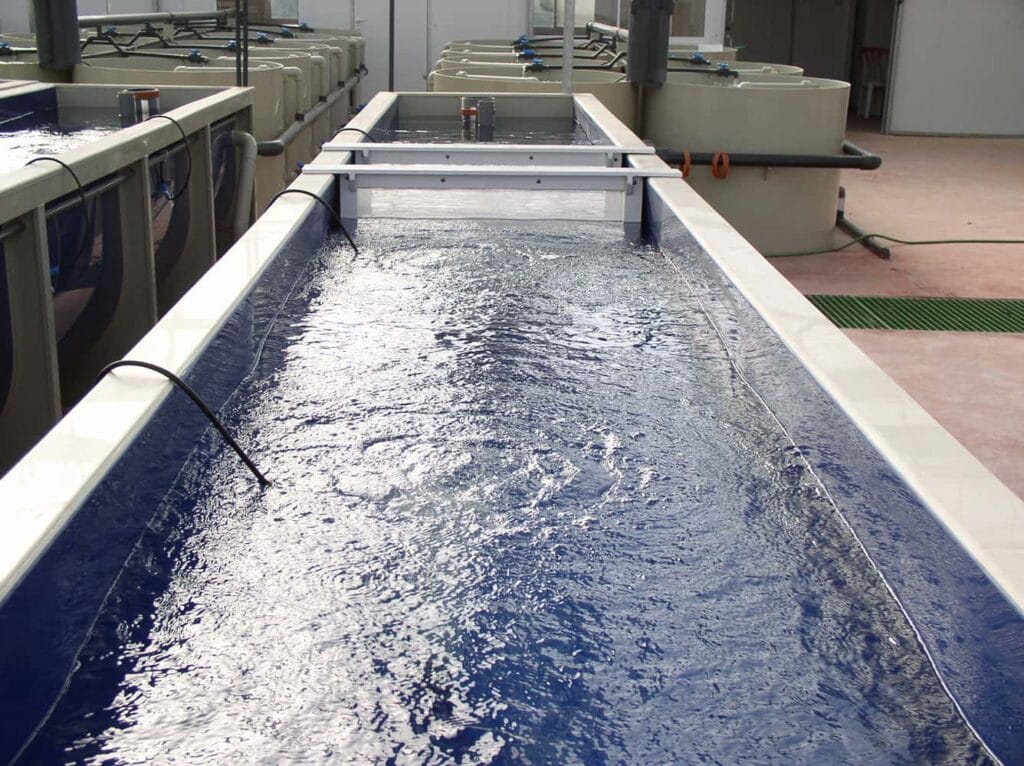
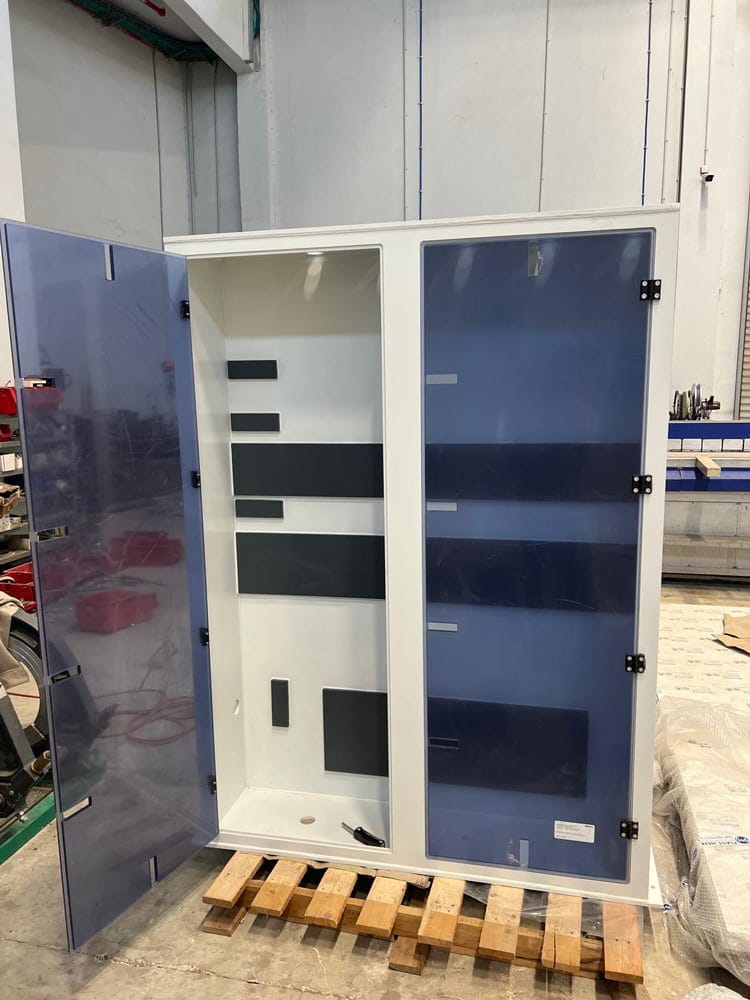
Polypropylene containment basins are designed to contain leaks and chemical effluents in accordance with environmental regulatory requirements. The basins are manufactured in various sizes and adapted to the type of chemicals stored, with containment capacity of 110% of the largest tank volume or 25% of total tank volume in the area, according to regulations.
Polypropylene process baths are used in the plating, galvanizing, and surface treatment industries. The baths are manufactured according to the specific process requirements, with options for integrating heating systems, agitators, and filtration systems.
Polypropylene Welding and Quality Standards
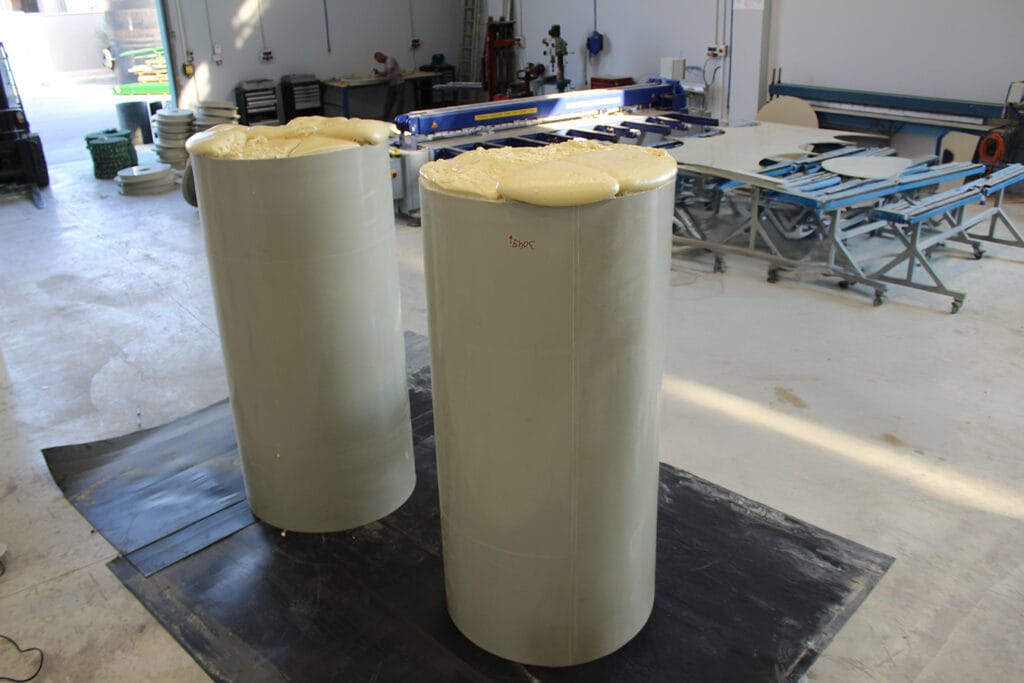
One of the significant advantages of polypropylene is the ability to heat-weld it without the need for adhesives. Thermoplastic welding produces a homogeneous joint with strength similar to the material itself, unlike glued or mechanical connections that may constitute a weak point.
Common welding methods for polypropylene include hot plate welding, extrusion welding for piping and large tank connections, and hot air welding for repairs and finishing work. The choice of welding method depends on material thickness, part size, and strength requirements.
The German DVS 2205 standard is the accepted industry standard for welding tanks and process equipment from thermoplastic materials. The standard defines requirements for design, manufacturing, and quality testing, ensuring that the final product meets safety and performance requirements. Facilities operating according to this standard are required to employ certified welders, perform regular quality tests, and document manufacturing processes.
Considerations in Selecting Polypropylene for a Project
When selecting polypropylene for an industrial project, several factors must be considered. First, chemical compatibility with materials that will come into contact with the equipment must be examined, taking into account concentrations and operating temperatures. Second, the expected temperature range must be considered, remembering that at temperatures below zero, PP may become brittle. Third, pressure and mechanical load requirements must be examined to ensure that wall thickness is appropriate for the application.
Regarding costs, the final price of tanks, piping, or other polypropylene equipment is determined by several factors: volume and dimensions, wall thickness, shape complexity, type of connections and accessories, and special requirements such as insulation or reinforcement. Therefore, each project requires individual assessment and customized engineering design.